
#statusMessage#
Do you want to start the comparison now?
WHow fast is a shot on goal? How do you measure whether a glacier is sweating? And how loud is a raindrop?
Our world is full of unusual questions that lead directly to real measurement tasks in research, development and quality assurance.
dataTec helps you find the right measurement technology for your application. Across manufacturers and with expert technical advice. What measurement task would you like to solve?
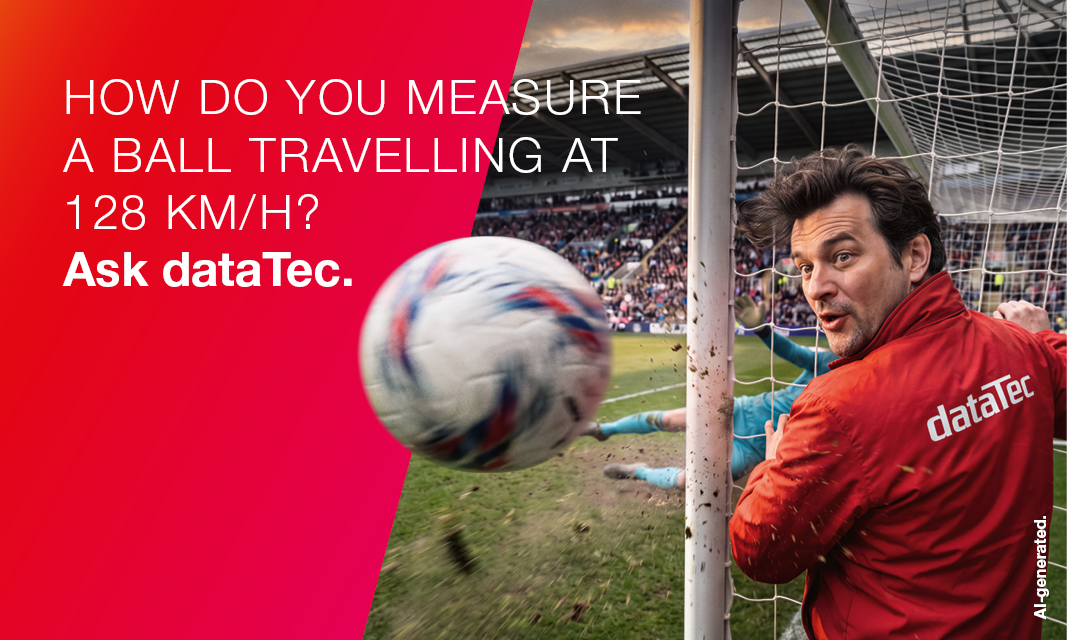
How fast was the shot on goal? A radar speed gun provides a measurable answer in next to no time. It determines speed using the Doppler effect. The CW radar signal emitted by the speed gun is fed through a downconverter to an oscilloscope and compared with the reflected signal. The difference between the frequencies indicates how fast the target is moving.
For developing and testing speed measurement systems, dataTec offers the appropriate measurement technology, including oscilloscopes for recording and analyzing signals, signal and function generators for simulating measurement signals, and spectrum analyzers for measurements purely in the frequency domain.
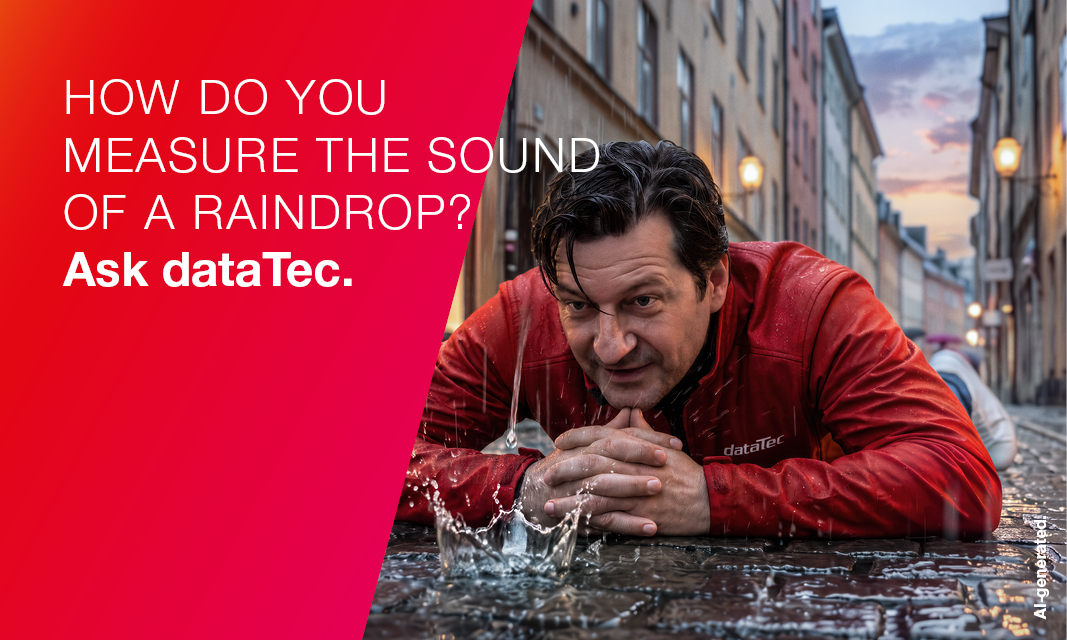
The sound of a raindrop hitting a window can be soothing. But how loud is a single drop? Sounds are caused by pressure fluctuations in the air. Microphones capture these vibrations and convert them into electrical signals.
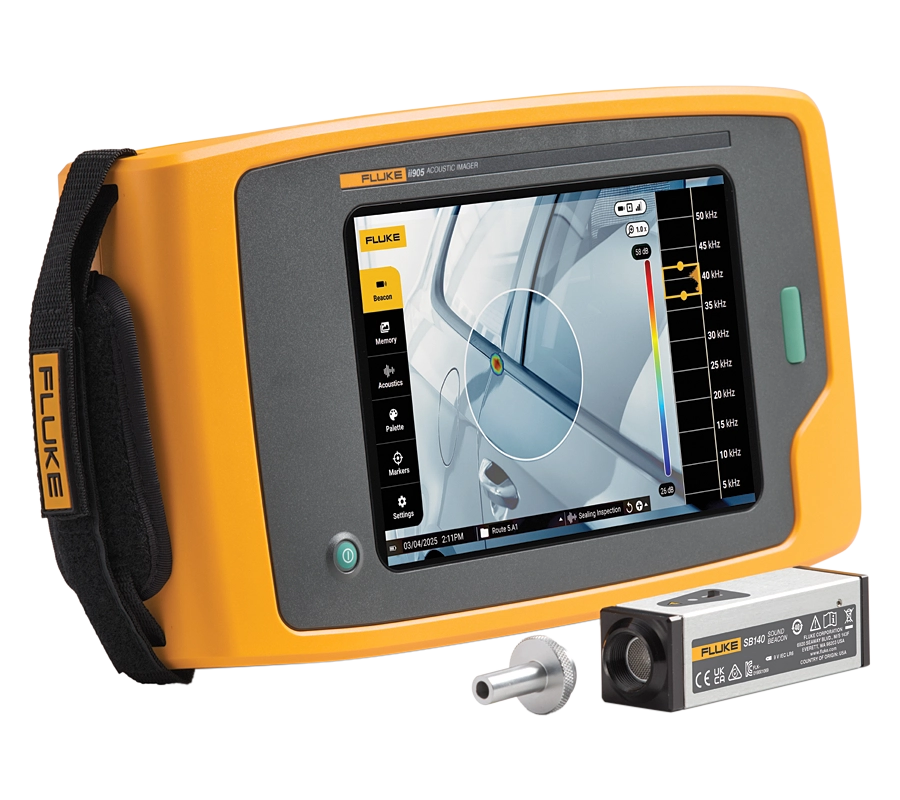
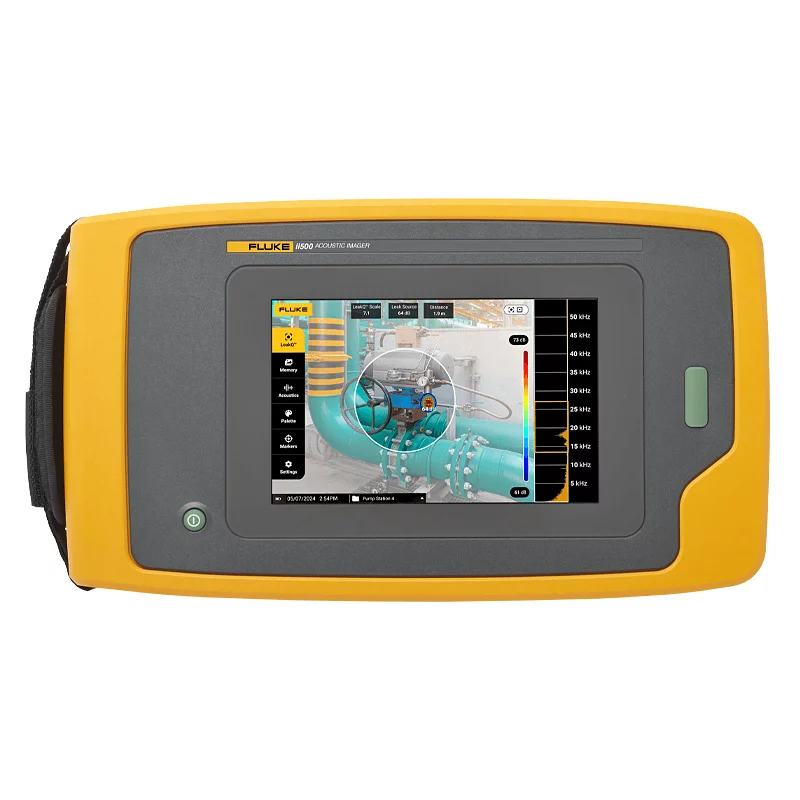
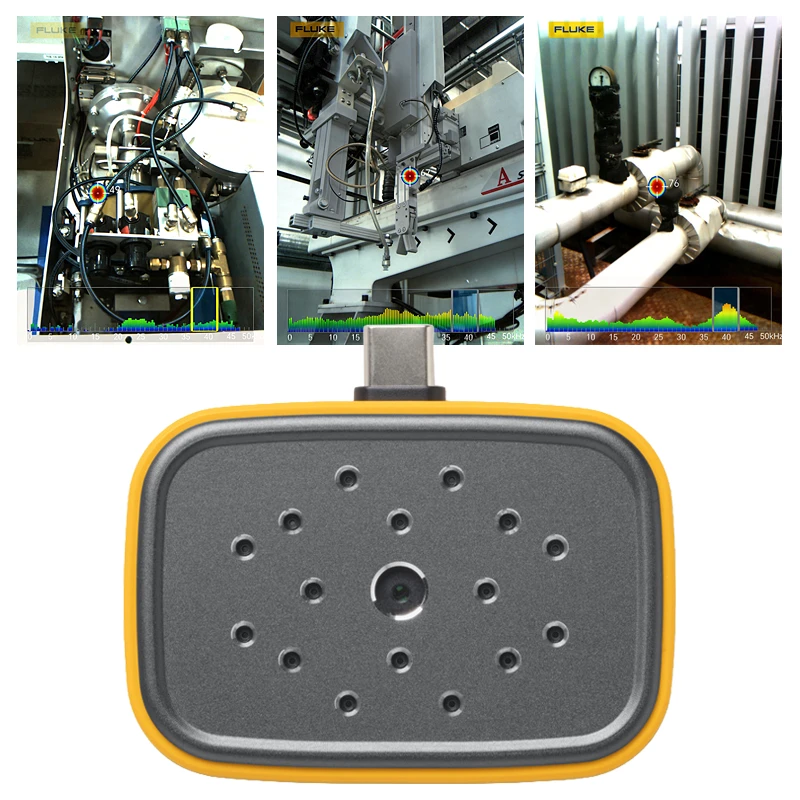
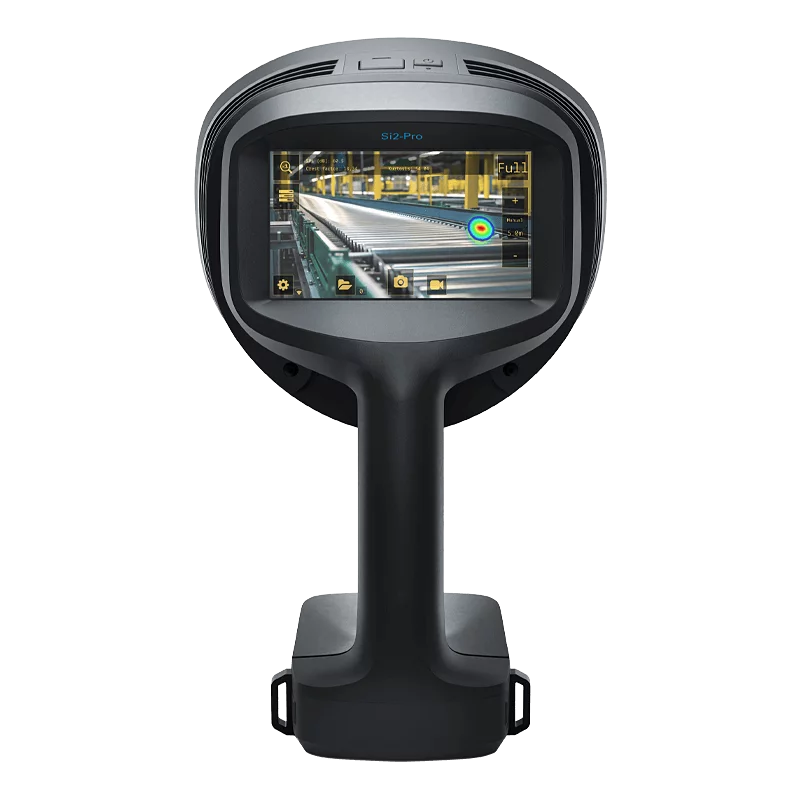
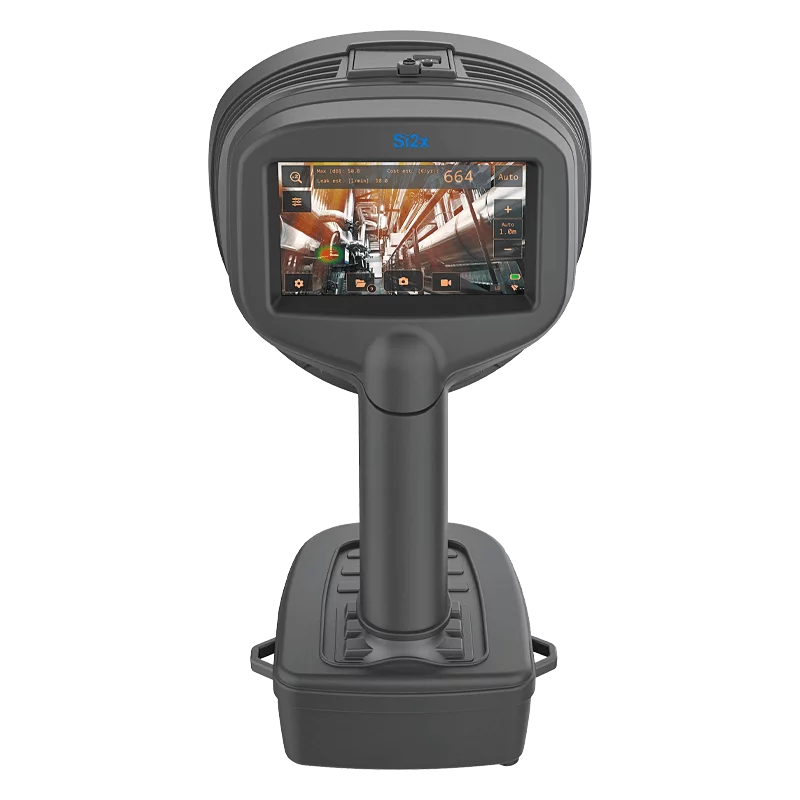
An acoustic imager uses multiple microphones simultaneously. Based on the arrival times of the sound waves, it calculates the direction of the sound source and overlays an acoustic image on a conventional camera image. This makes it possible to locate and assess sounds, whether from compressed-air leaks or the impact of a raindrop.
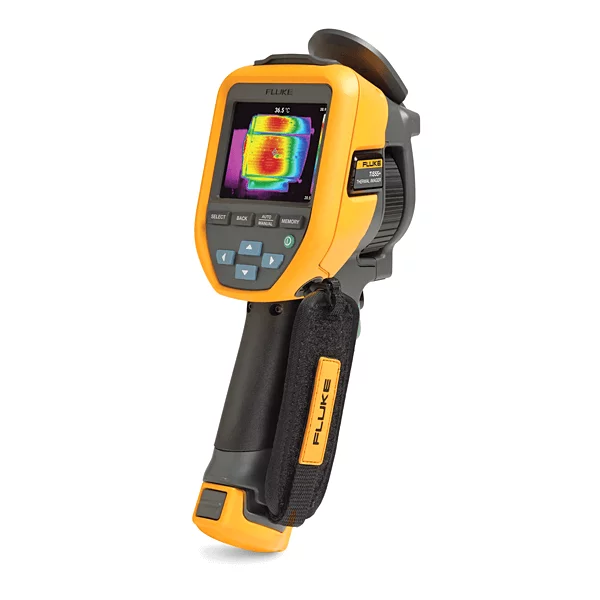
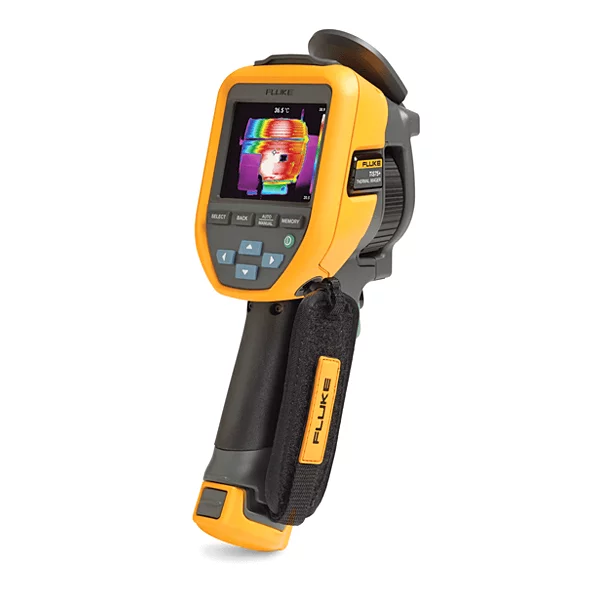
For acoustic troubleshooting and noise analysis, dataTec offers acoustic imagers such as the FLUKE ii905. It uses a microphone array and captures sound over a frequency range of 2 to 100 kHz. The acoustic image is overlaid directly on the visible image and shows where the sound is coming from.
Measuring a single raindrop, however, is challenging. Its impact sound is very brief and quiet. The camera must be positioned close to the measurement object and set to the appropriate frequency range. A high-pass or band-pass filter can suppress disruptive low-frequency ambient noise.
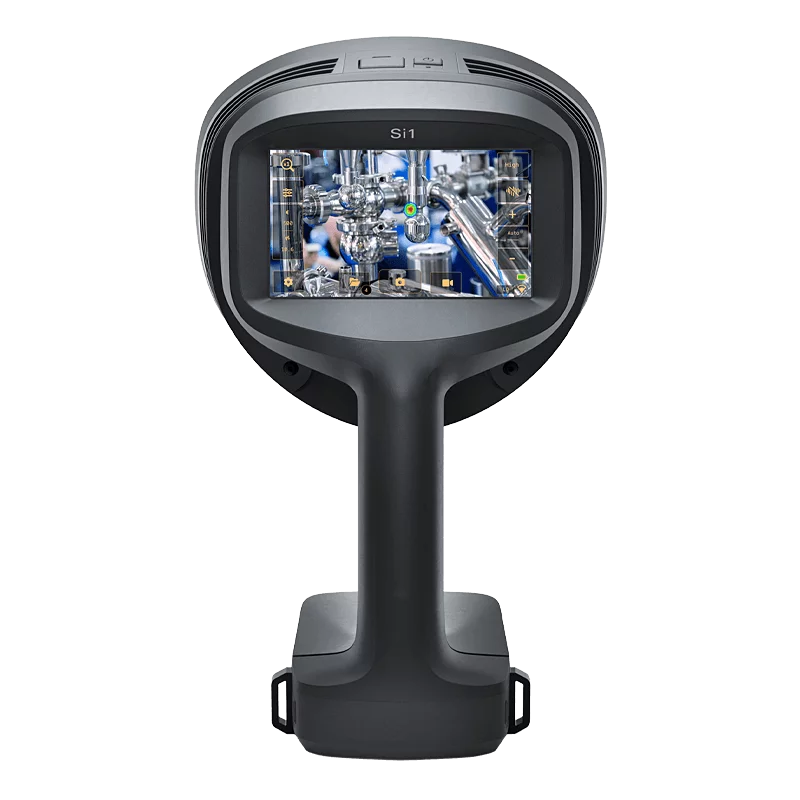

A glacier does not sweat in the literal sense. However, a high-resolution thermal imaging camera can make temperature differences visible and identify particularly warm areas or areas that have already reached the melting point.
Whether a glacier, a building or a technical system, every body emits thermal radiation in the infrared range. A thermal imaging camera captures this radiation and uses it to calculate the surface temperature. This makes it possible to quickly visualize temperature distributions, heat sources and anomalous areas.
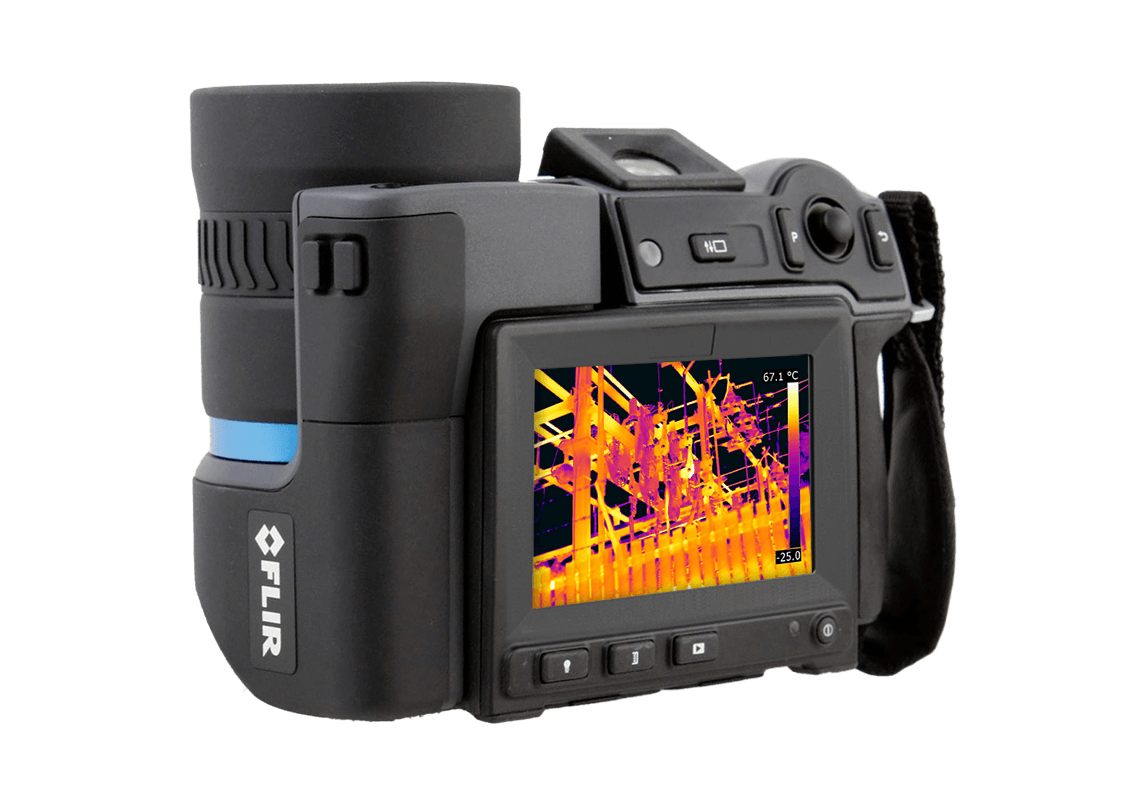
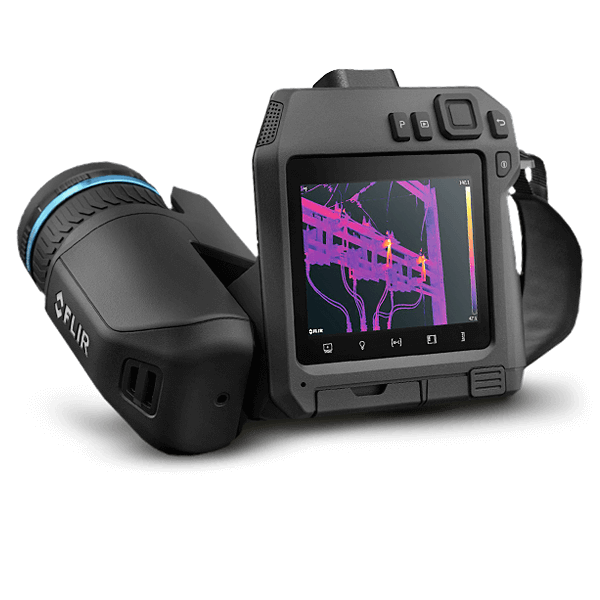
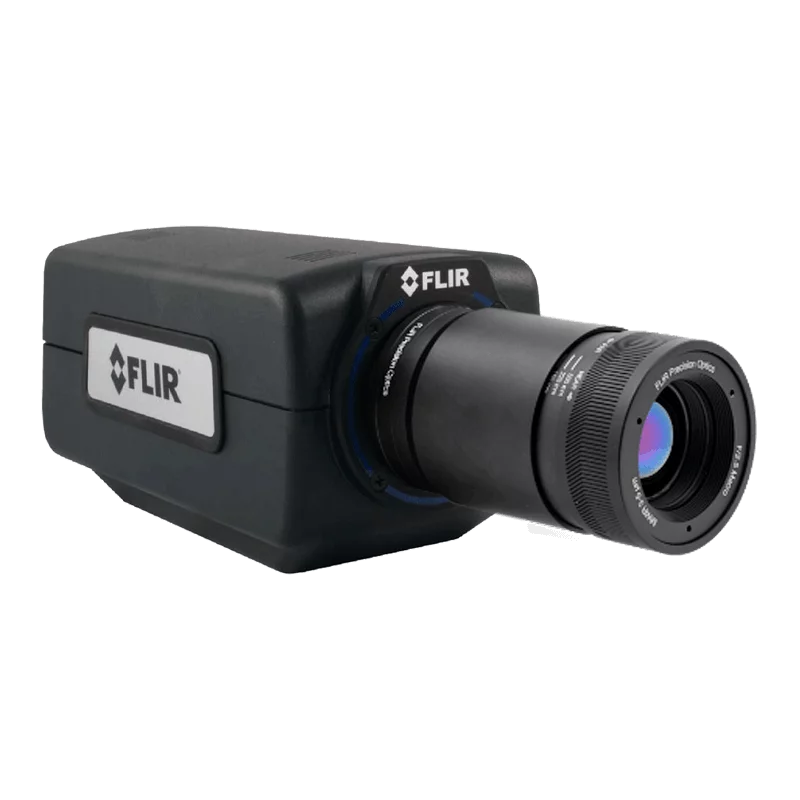
For research, development and science, dataTec offers high-performance thermal imaging cameras such as the Teledyne FLIR T1020. It captures thermal radiation at a resolution of 1,024 × 768 pixels and can measure temperatures from −40 °C to +2,000 °C.
With its high thermal sensitivity of 20 mK, it can also reveal minimal temperature differences. This is important when the temperature of ice, meltwater or debris cover needs to be examined precisely. Measurements must also take into account the emissivity of the surface, reflected ambient temperatures, the distance to the measurement object and humidity.
.webp "C8")
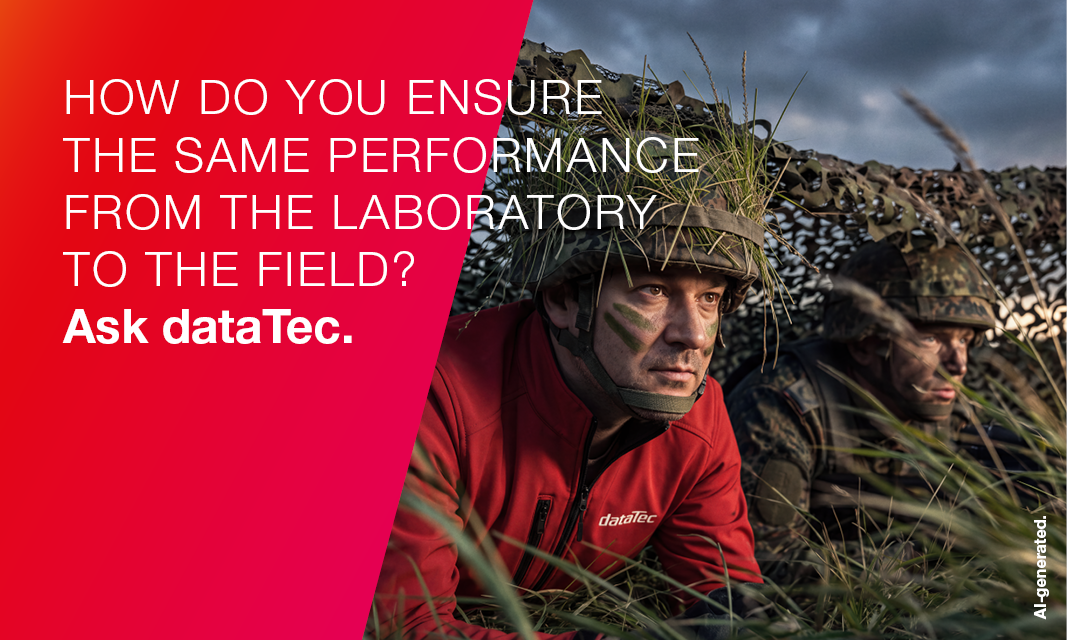
Whether a radio, vehicle, drone or digital information system, electronic components used in defence applications must perform just as reliably in the field as they did in the laboratory. This requires measurements including voltages, currents, waveforms, data buses and current consumption.
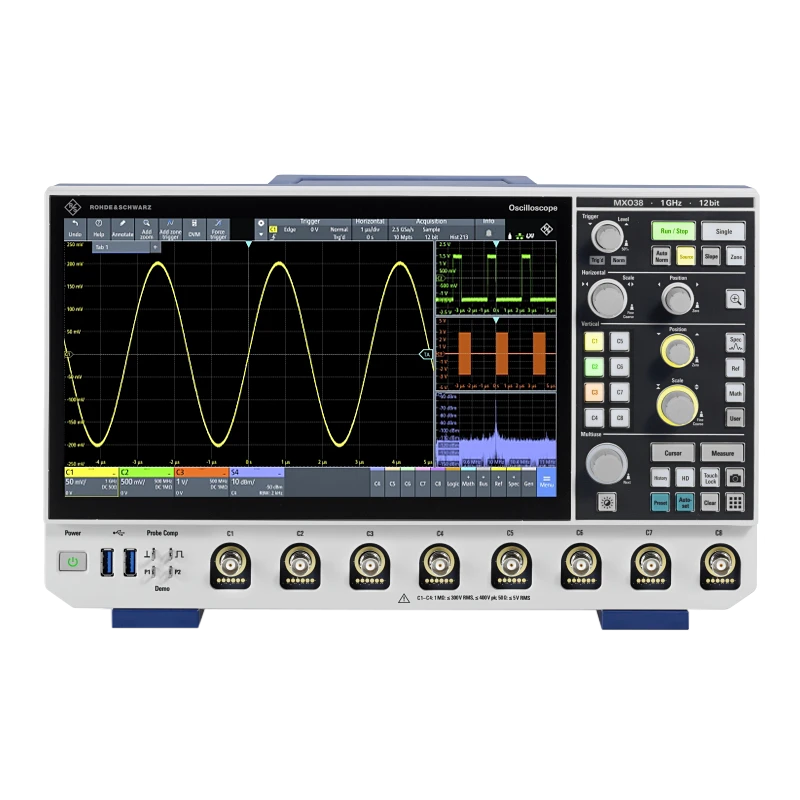
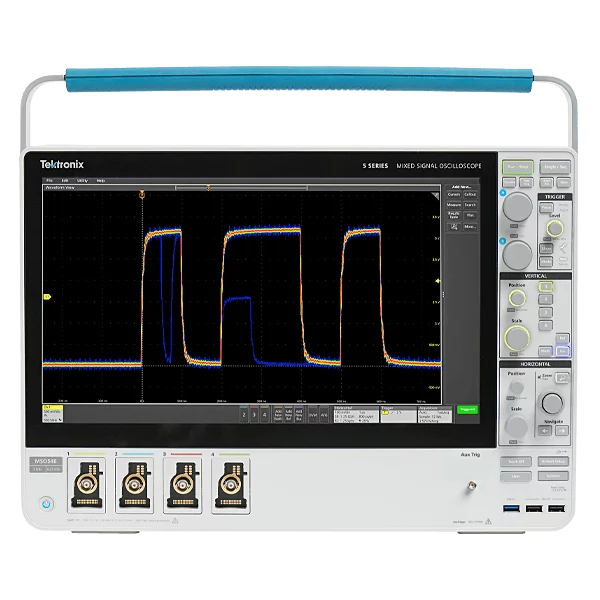
An oscilloscope shows whether a signal has the correct shape, amplitude and timing. This allows faults to be identified at an early stage and the performance of electronic systems to be verified.
Find the right instrument at dataTec.
For the development and testing of defence technology, dataTec offers suitable measurement technology, including oscilloscopes for analyzing voltage and signal quality, current clamps and current probes for current measurement, and signal and spectrum analyzers for radio and communication systems.
The Rohde & Schwarz MXO3 series is an example of oscilloscopes particularly well suited to these applications. Among other tasks, it can be used to measure signal quality, bus signals and current consumption, as well as for basic EMC investigations at board level.
.png "N9912C")
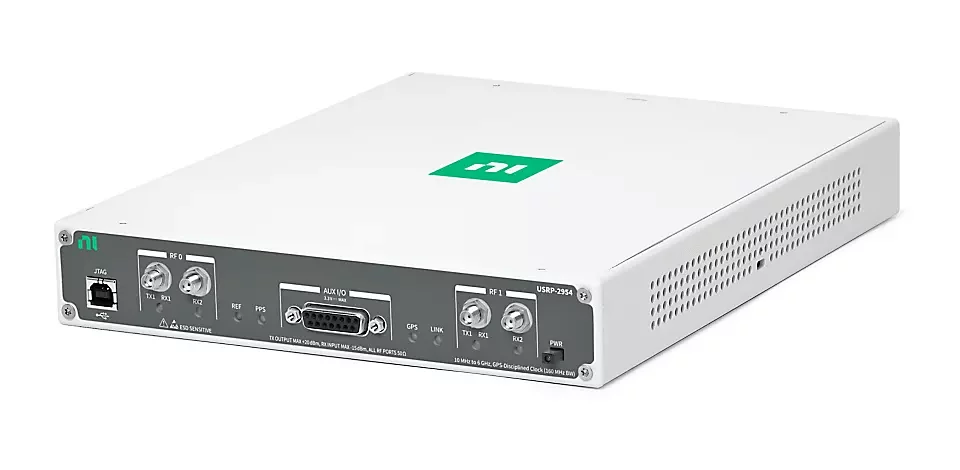

Radio telescopes receive extremely weak radio waves from the depths of space. From these signals, researchers can obtain information about distant celestial objects and generate images of galaxies or other cosmic objects.
For a weak signal to produce a precise measurement result, every component in the RF signal chain must be tested. This includes, for example, the transfer function of individual components, attenuation and reflections in cables and transmission lines, and the operation of filters and amplifiers.
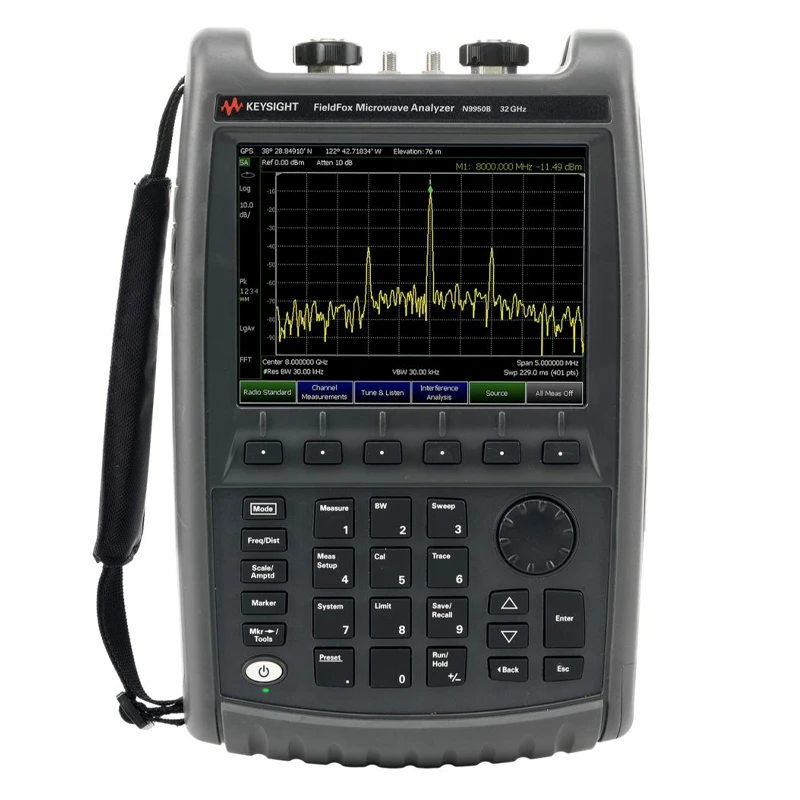
For testing antennas, cables and RF components, dataTec offers suitable network analyzers such as the Keysight FieldFox. Among other parameters, they can measure S-parameters, transmission characteristics, return loss and distance-to-fault.
Depending on the task, a reflection measurement is performed at one port, or transmission and reflection measurements are performed at two ports. This verifies whether the signal passes through the entire RF chain with the lowest possible losses and without unwanted reflections. Instruments such as the Keysight FieldFox combine a network analyzer, cable and antenna analyzer, and, depending on the configuration, additional analysis functions in a portable instrument.
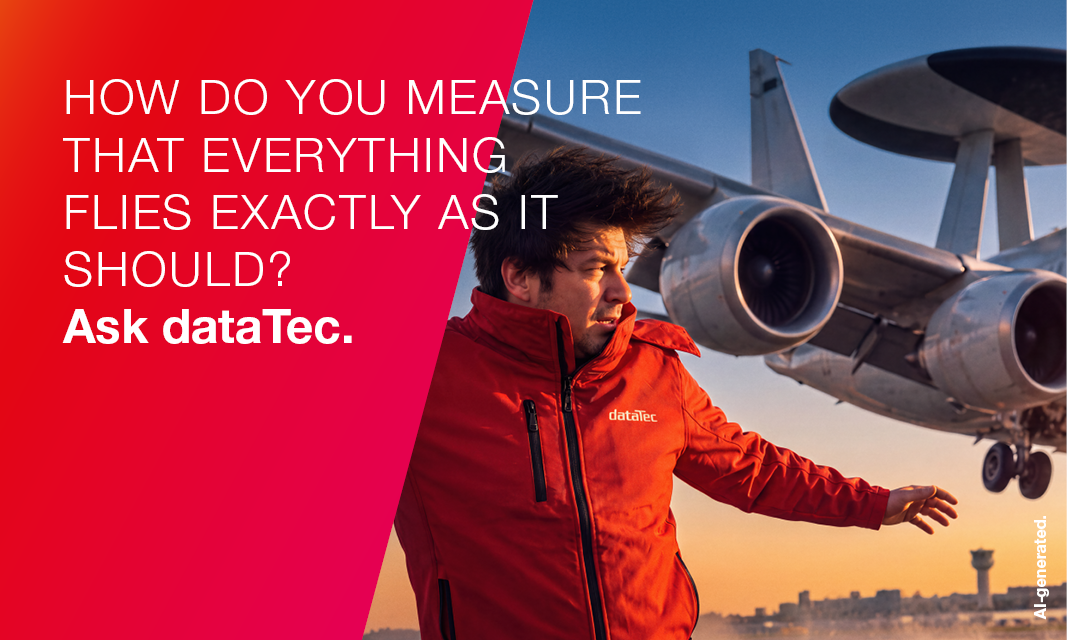
An AWACS aircraft is far more than an aircraft equipped with a radar system. With its large radar and additional sensors, it monitors airspace, detects and tracks aircraft, and forwards this information in near real time. To ensure that navigation, communications, radar and target acquisition operate reliably, every individual system must be tested precisely. This requires detailed analysis of electrical signals, radio links and data streams.
Measurements include frequency and signal strength, timing behavior and signal quality, interference and unwanted interactions, as well as the operation of individual components and the overall system.
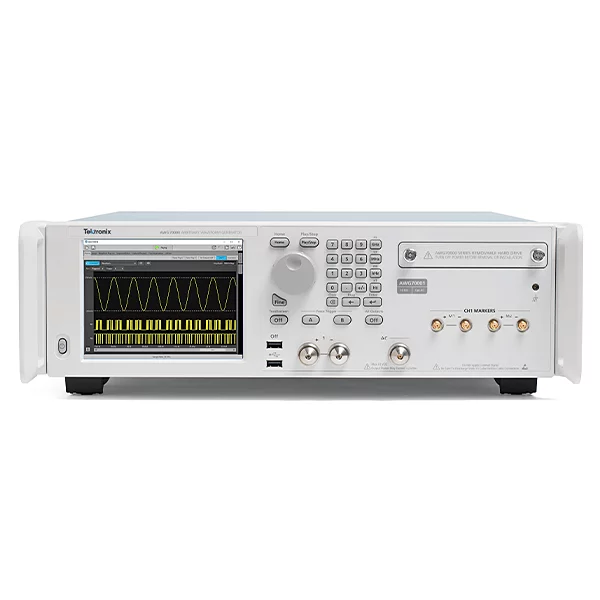
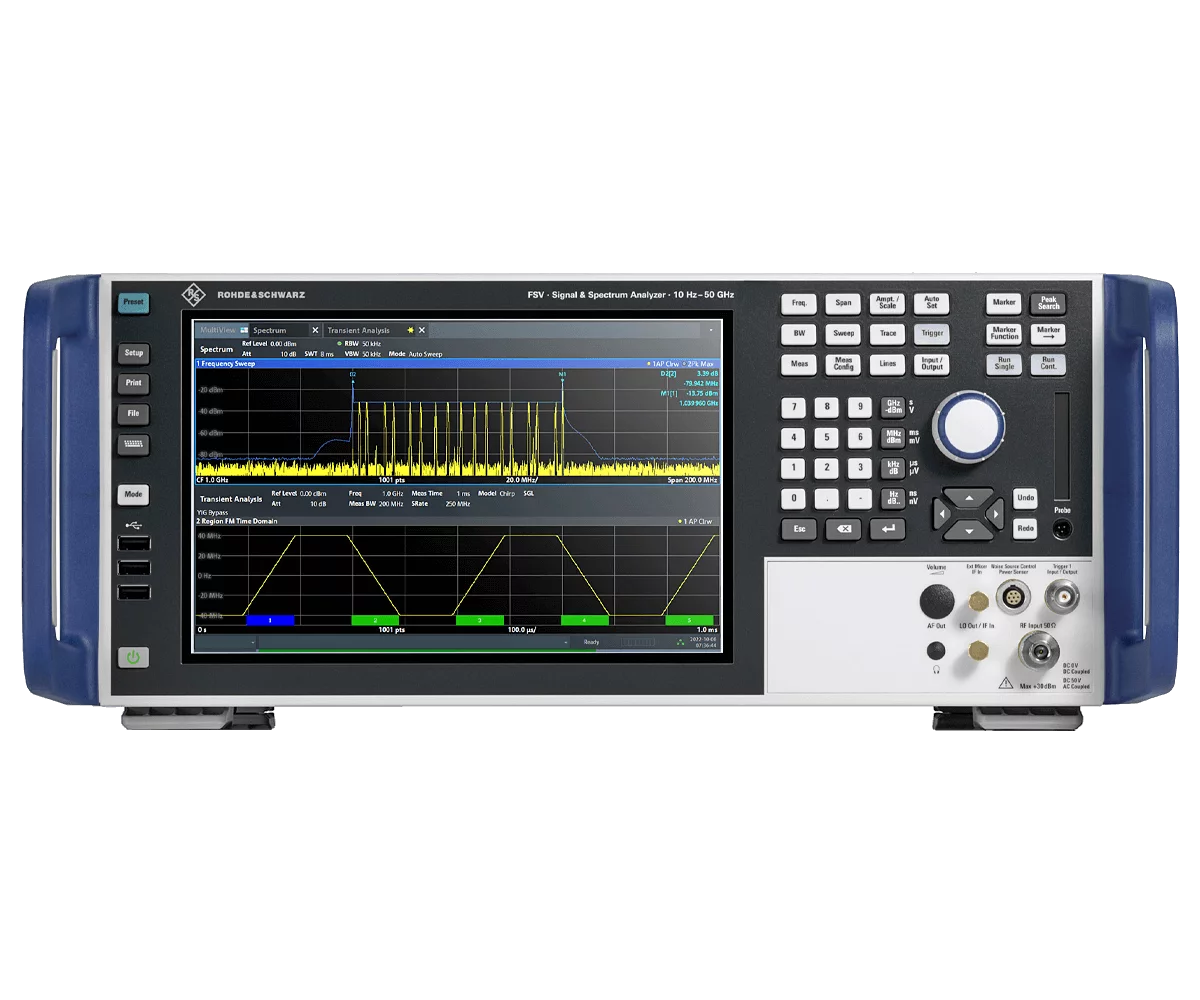
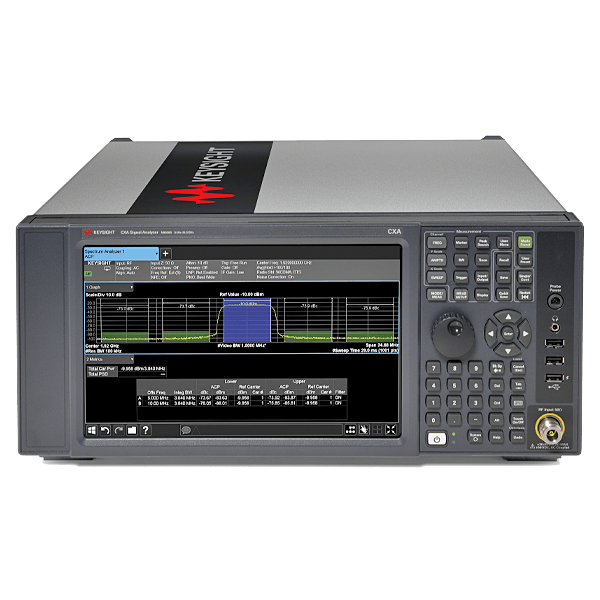
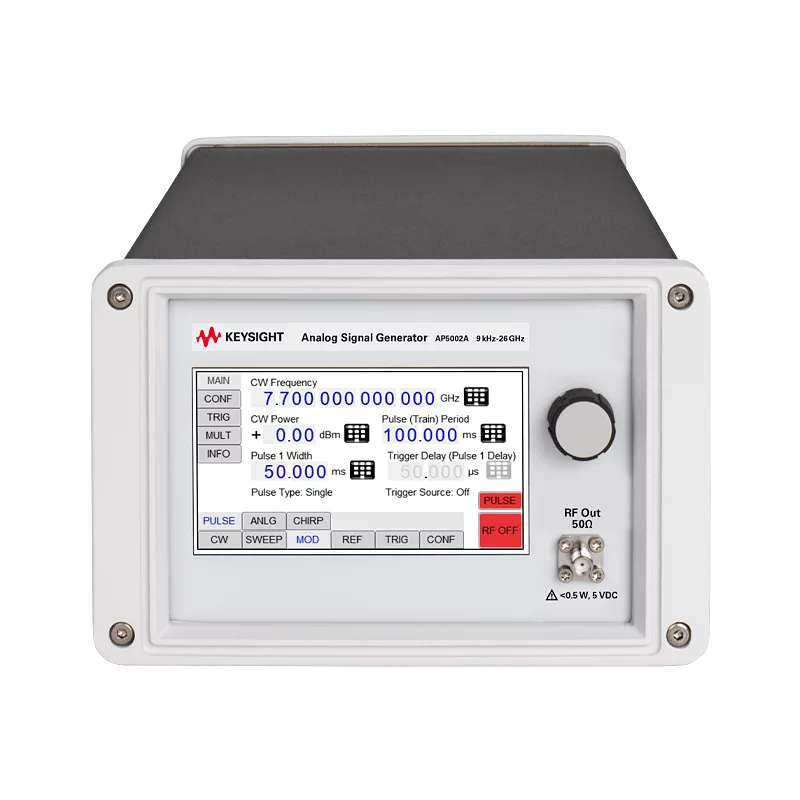
Precise and reliable measurement technology is essential for the development and testing of aerospace and defence systems. Oscilloscopes visualize waveforms and enable analysis in the time and frequency domains. Signal and function generators generate defined test signals. Spectrum analyzers examine radio and radar signals with high precision.
Depending on the measurement task, suitable instruments should offer high bandwidth, low noise, a wide dynamic range, an accurate timebase and fast signal acquisition. For complex systems, multiple synchronized channels and reliable FFT or spectrum analysis are also important.
.png "CNT-104S")
Are you still not entirely sure, or do you have further questions about the instruments? Do not hesitate to contact us. Whether directly by phone or conveniently via an online demo on your screen, our experts are here for you.
.png "CNT-104R")
.webp "DPO714AX")