#statusMessage#
Do you want to start the comparison now?
#statusMessage#
Do you want to start the comparison now?
How Thermography Enhances Manufacturing. Machine stoppages, component overheating, or electrical faults—unplanned downti...
Disturbances in the power grid often go unnoticed until systems shut down or equipment fails. Regular power quality asse...
In this practical checklist you will learn how to calibrate your measuring and test instruments effectively – simply, ef...
Modern oscilloscopes of the MXO Series from Rohde & Schwarz enable precise analysis and optimization of electric drivetr...
Manufacturer number: J2100A
| Weight (kg): | 0.45 |
|---|
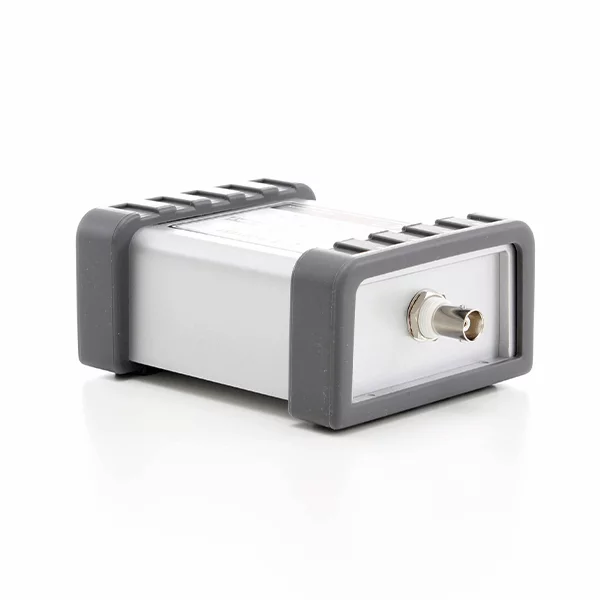
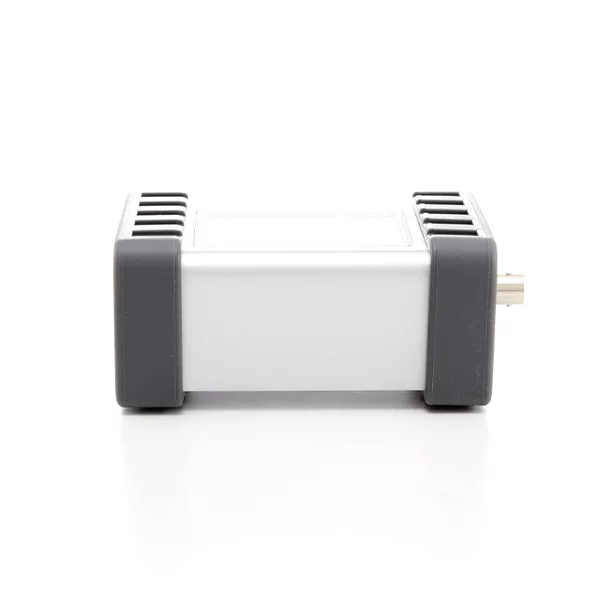
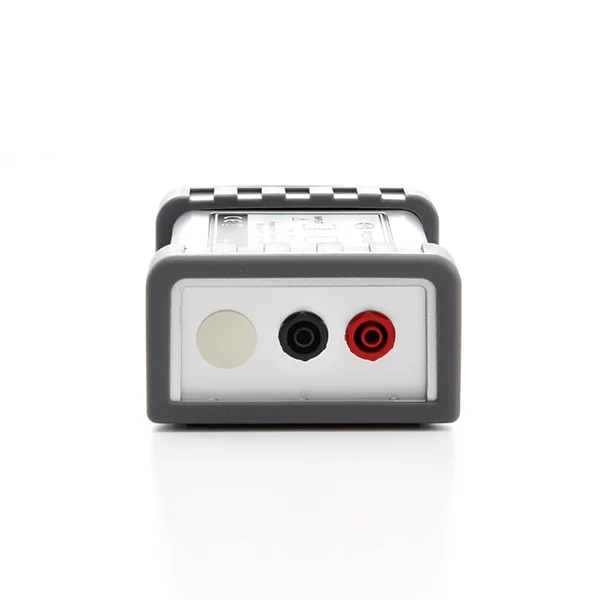
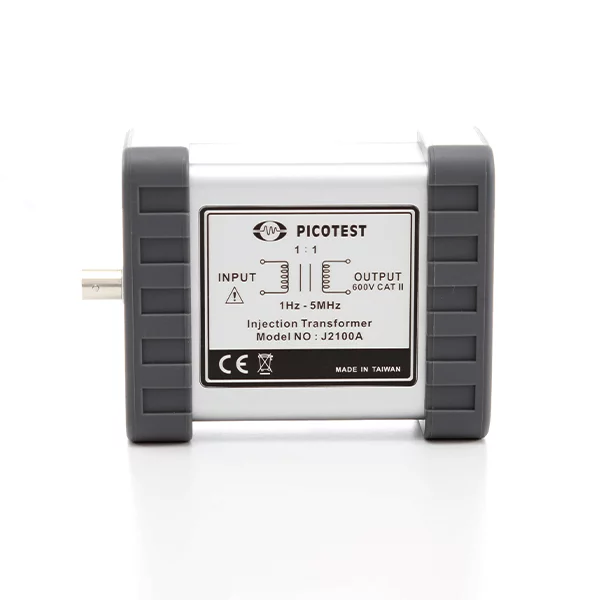
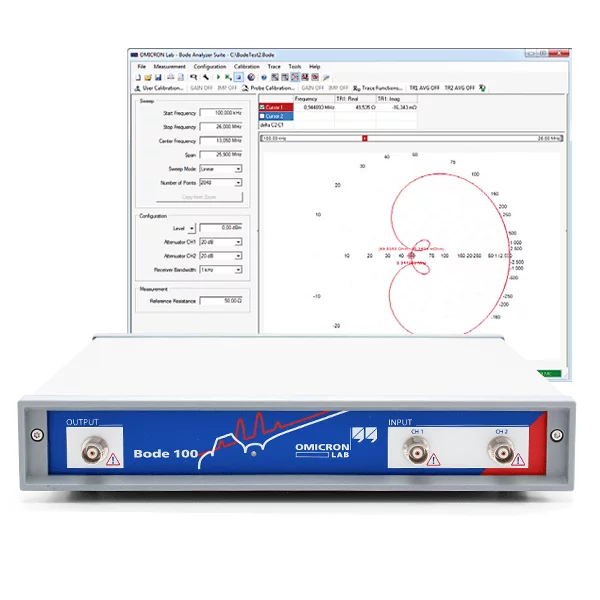
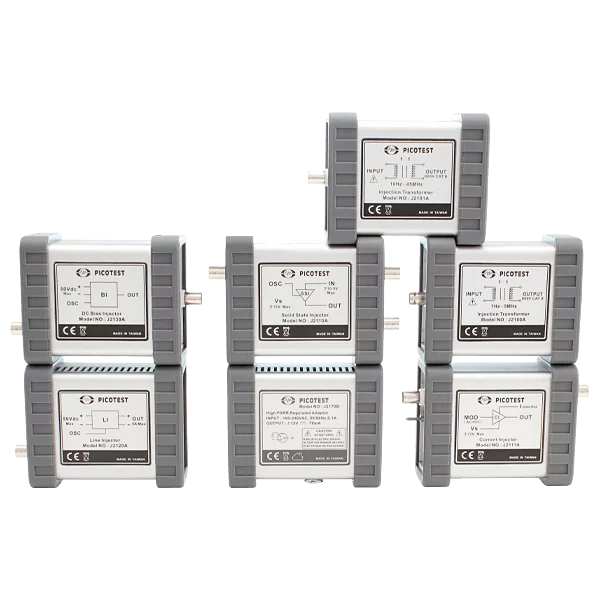
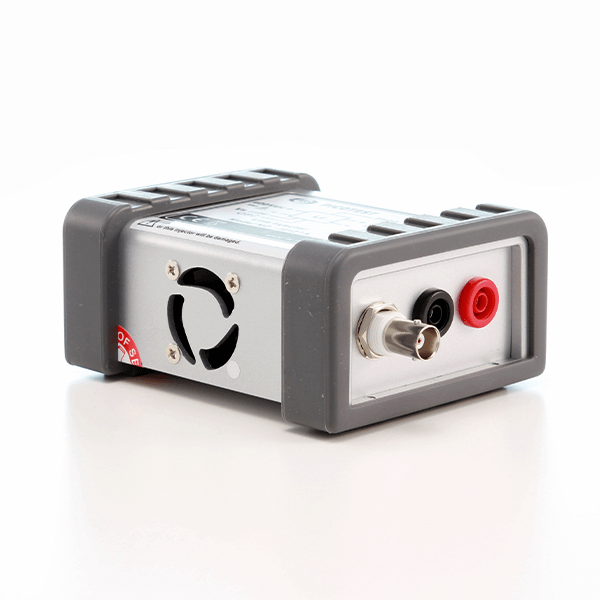
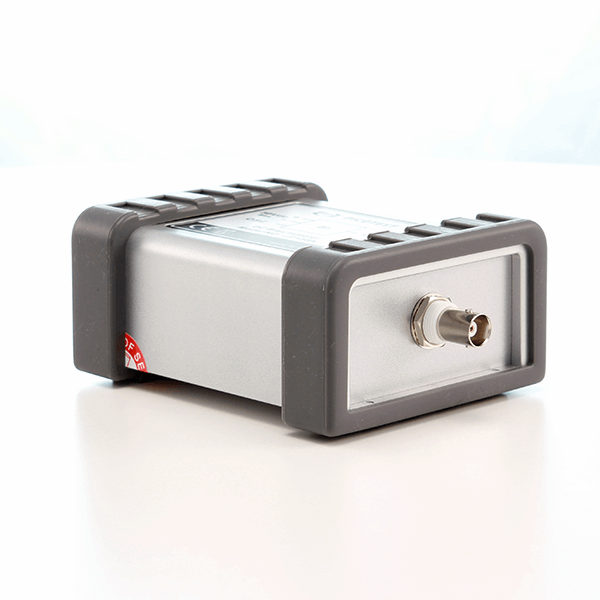
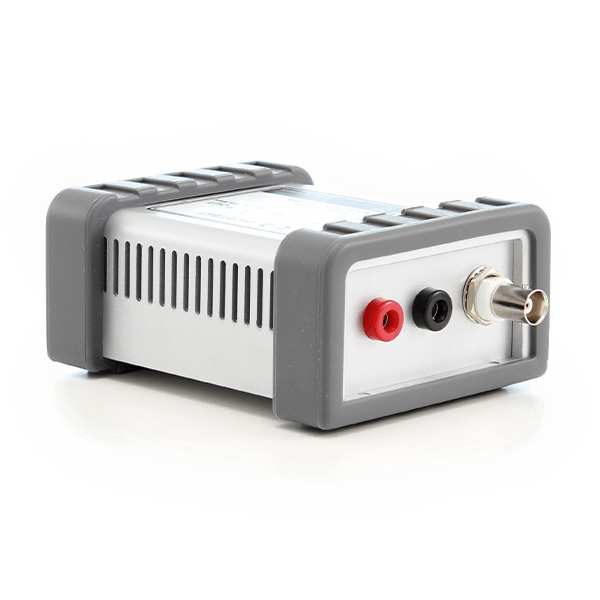
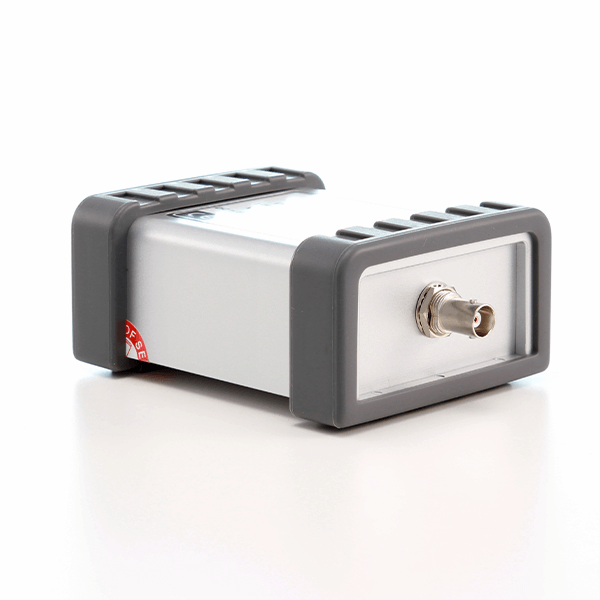
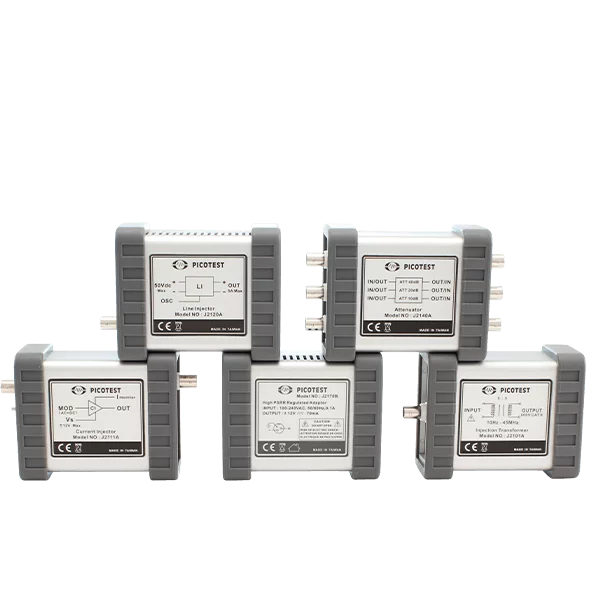
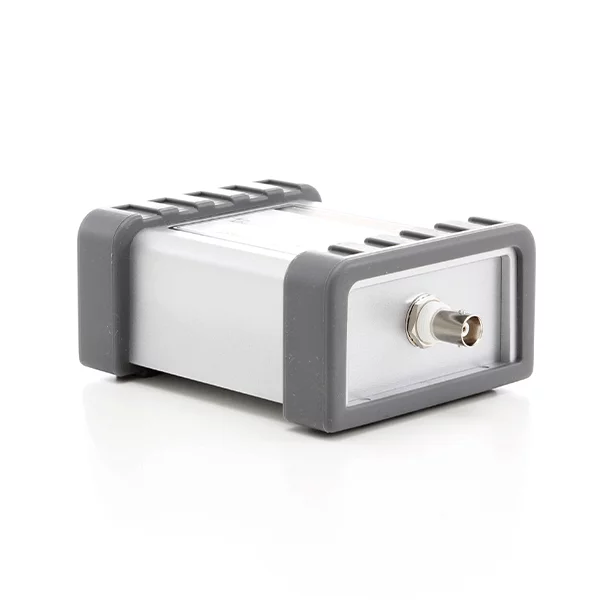
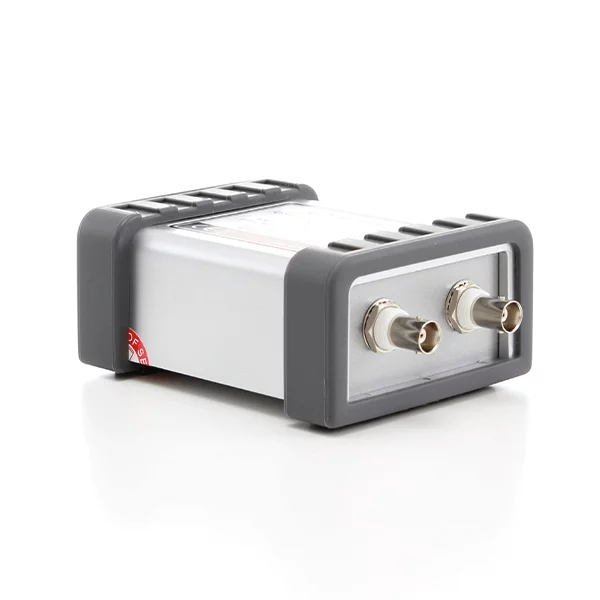
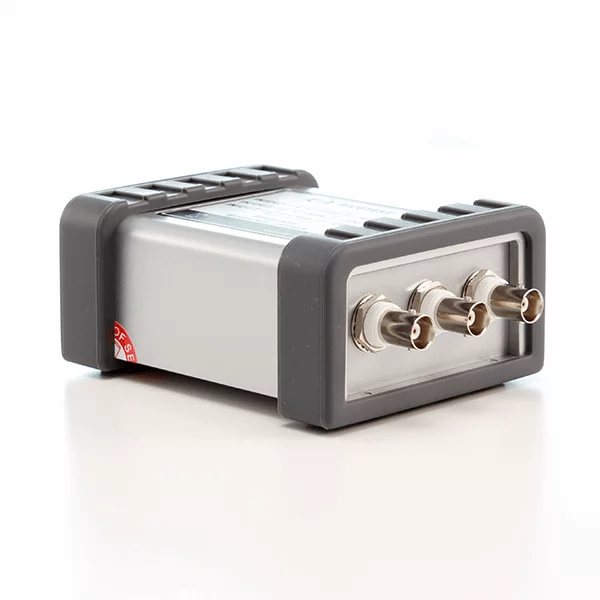
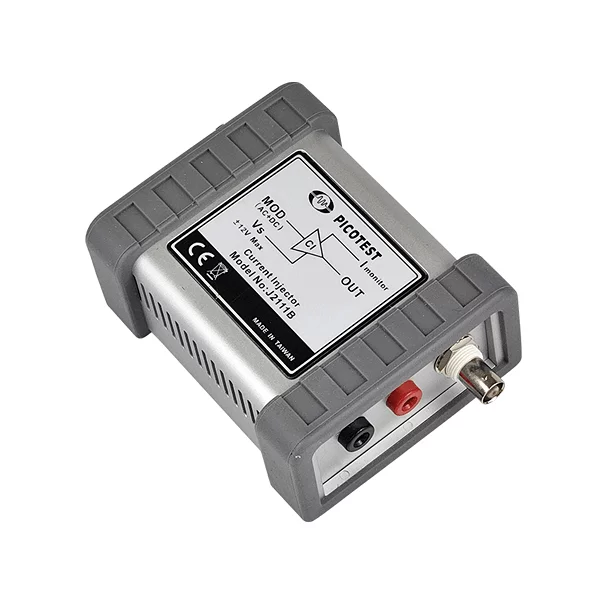
With this feed-in transformer, it is easy to impress an interference signal in a frequency range from 1 Hz to 5 MHz on a line to determine whether the system under test can withstand this interference or whether it starts to oscillate. It is essential that the overall system is not changed in its basic parameters by inserting this feed-in transformer. Such faults can also be impressed within the control loop. Such a test contributes to a stable and safe design, especially for modules of power supplies etc. The transformer is completely insulated, so that it can also be used without reference mass (floating), i.e. even at high voltage levels. In connection with the Bode 100 network analyzer, appropriate attenuators are required for its inputs.
The bandwidth of the feed transformer depends on the impedances of the connected measuring devices. The Bode 100 and most other network analyzers have an input impedance of the internal oscillator of 50 Ω. Provided that the optimal resistance is 5 Ω. The inserted signal is thereby significantly weakened, which is advantageous for the measurements, since it does not change the output values of the system to be tested in the basic values.
Network analysis is used, for example, in stability tests, to characterize components or to measure the frequency respon...