#statusMessage#
Do you want to start the comparison now?
#statusMessage#
Do you want to start the comparison now?
How Thermography Enhances Manufacturing. Machine stoppages, component overheating, or electrical faults—unplanned downti...
Disturbances in the power grid often go unnoticed until systems shut down or equipment fails. Regular power quality asse...
In this practical checklist you will learn how to calibrate your measuring and test instruments effectively – simply, ef...
Modern oscilloscopes of the MXO Series from Rohde & Schwarz enable precise analysis and optimization of electric drivetr...
Manufacturer number: N2795A
| Weight (kg): | 0.31 |
|---|
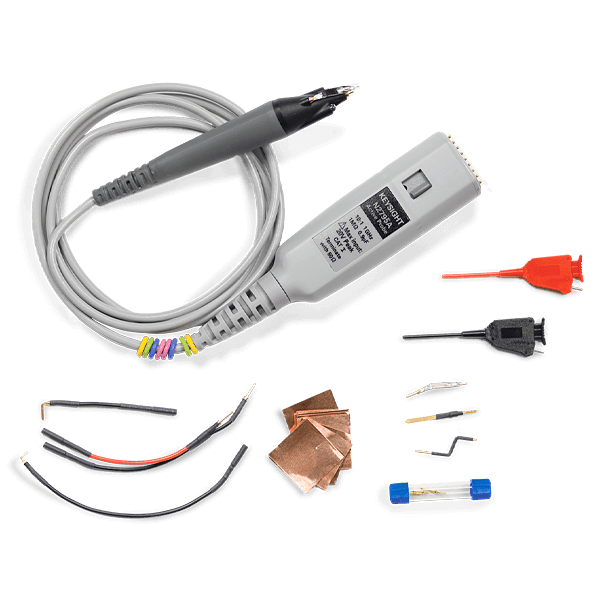
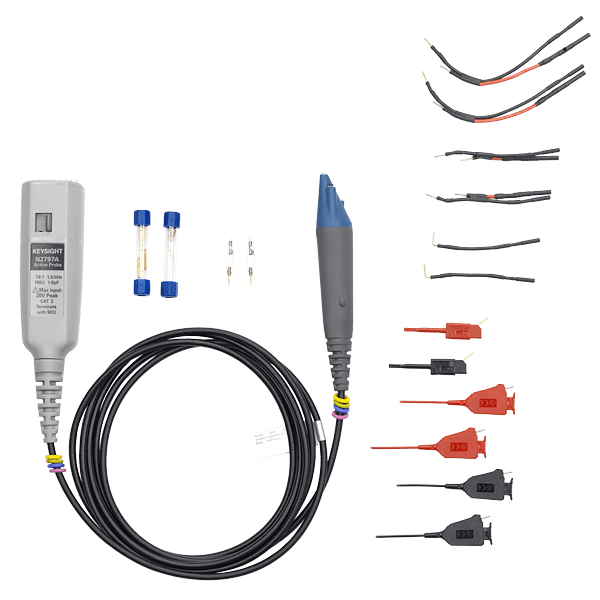
The Keysight (formerly Agilent's electronic measurement technology) N2795A probe belongs to a generation of high-quality but nevertheless inexpensive, active probes with a bandwidth of 1 GHz and the AutoProbe interface. This probe is ideally suited for high-speed applications, especially in the design of digital systems and circuits, verification and characterization of components, in development and for the training area.
This probe is characterized by a very low input capacitance of 1 pF and an input resistance of 1 MΩ, which means a very low load for the object to be tested. This, in conjunction with the exceptional accuracy, makes this probe an indispensable aid when measuring today's digital circuits. The wide dynamic input voltage range of ± 8 V and an associated offset range of also ± 8 V make it suitable for most applications. For high-precision measurements, the probe is excellent in connection with the oscilloscopes with a bandwidth of 500 MHz to 600 MHz of the Keysight (formerly Agilent's electronic measurement technology) Infiniium and InfiniiVision series.
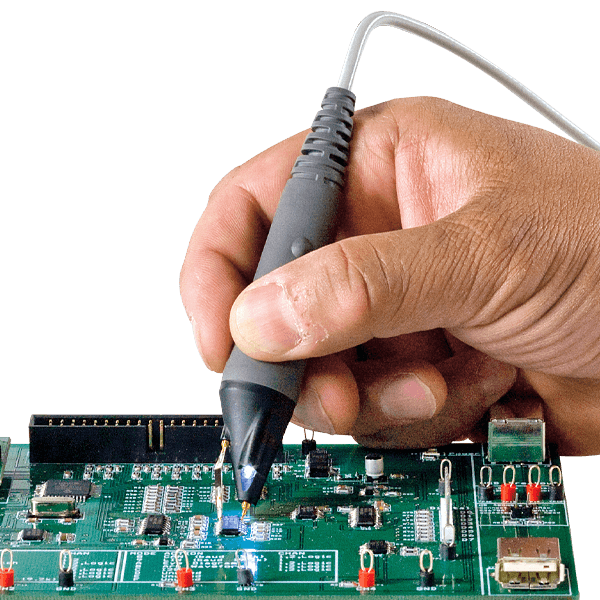
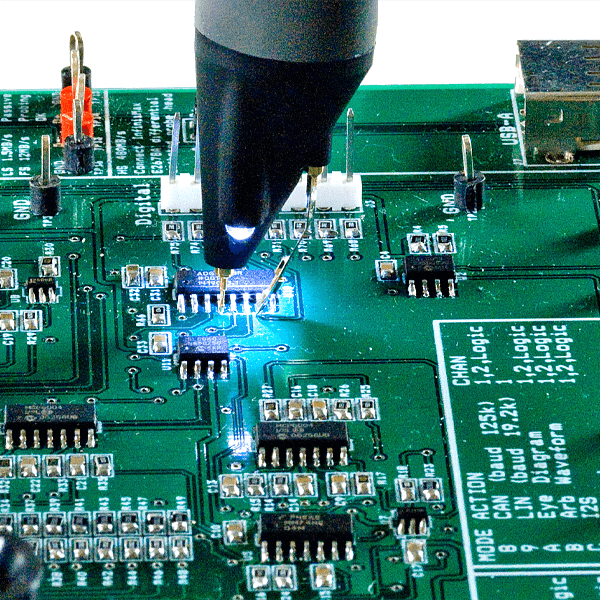
In addition, the probe has an illuminated white LED to illuminate the nearby test field.
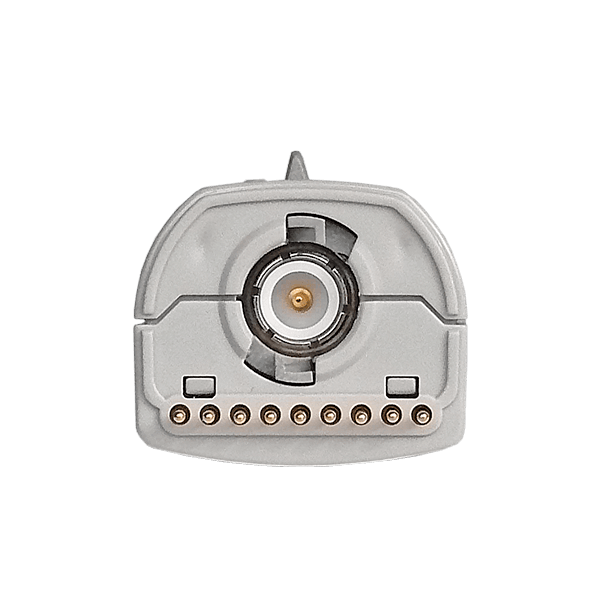
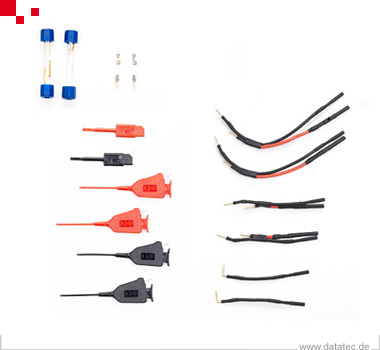
The probe is supplied with the operating voltage via the AutoProbe interface directly by the InfiniiVision or Infiniium oscilloscopes. There is a whole range of accessories for the DUT (device under test) to be easily contacted by the probe.