#statusMessage#
Do you want to start the comparison now?
#statusMessage#
Do you want to start the comparison now?
Without reliable communication, safe operation is impossible. In the aerospace industry, failures are not an option. At ...
In safety-critical development and manufacturing processes, the test architecture determines quality, cost efficiency, a...
Increasing efficiency requirements in vehicles, data centers, and industry are driving new vehicle electrical system and...
Early prevention, comprehensive certification, targeted troubleshooting. In every area of your data center, measuring in...
Manufacturer number: DE80022XX
| Article number: | DE80022XX |
|---|---|
| Bustype: | MIL-STD-1553 |
| Final closure: | Yes |
| Input resistance: | 59 Ω ±1 % (Stub termination resistor) |
| Model: | DE80022XX |
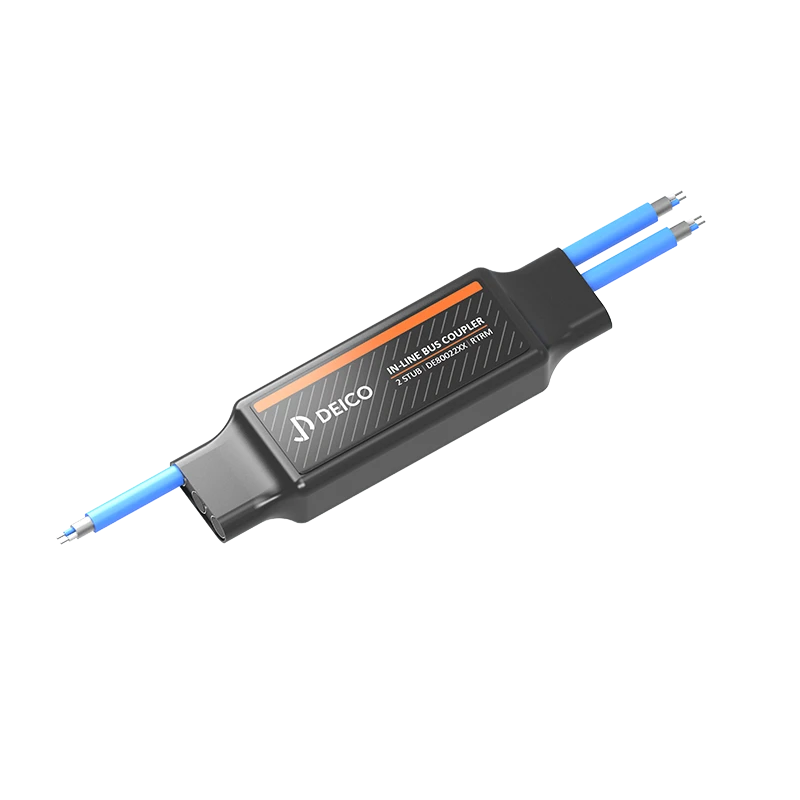
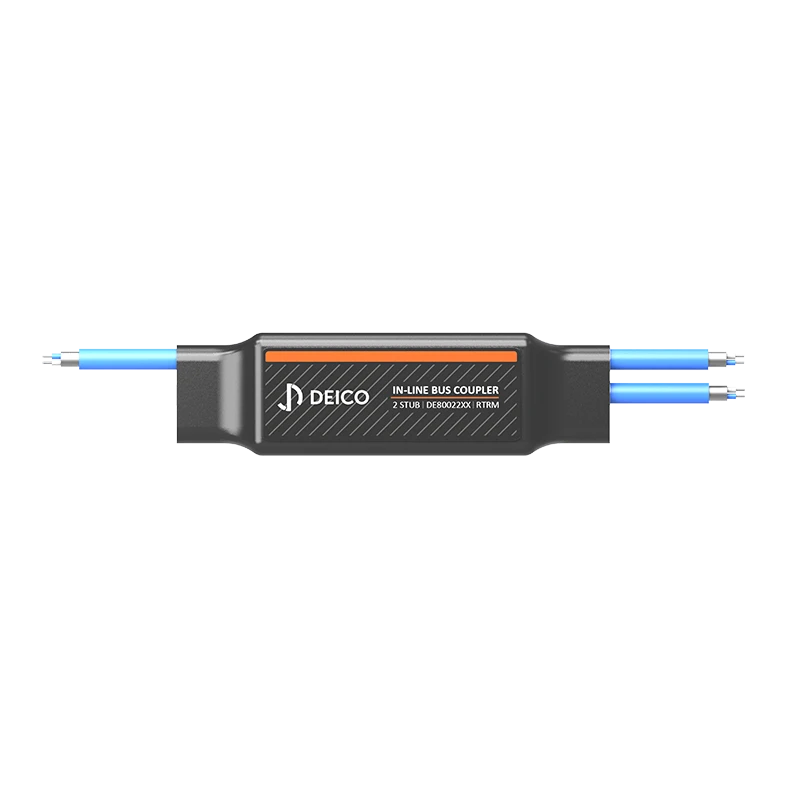
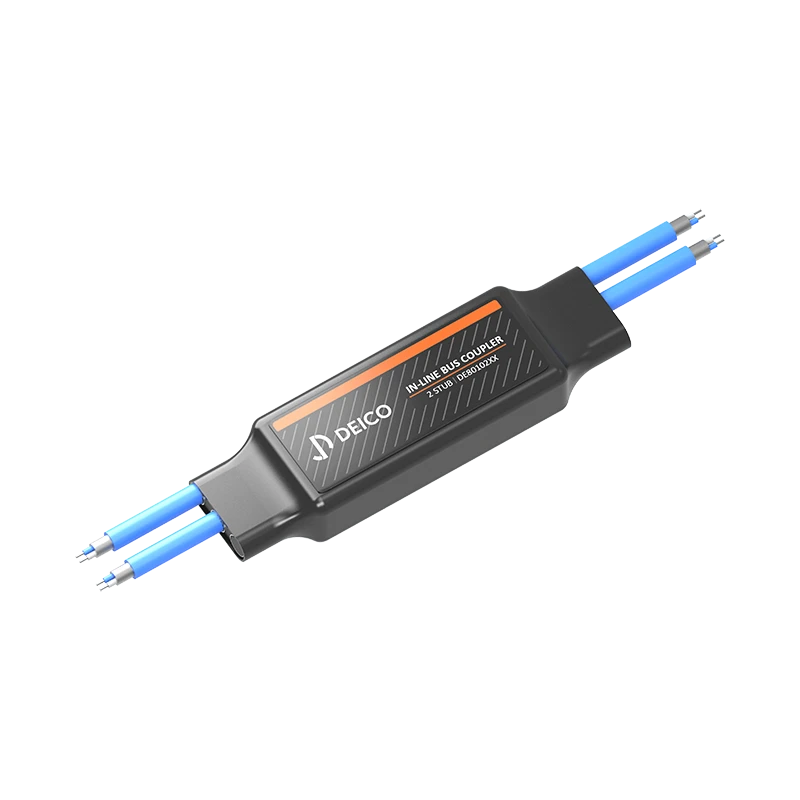
| Special features: | 2 Stub - Same Side - Remote Terminal |
| Weight (kg): | 0 |
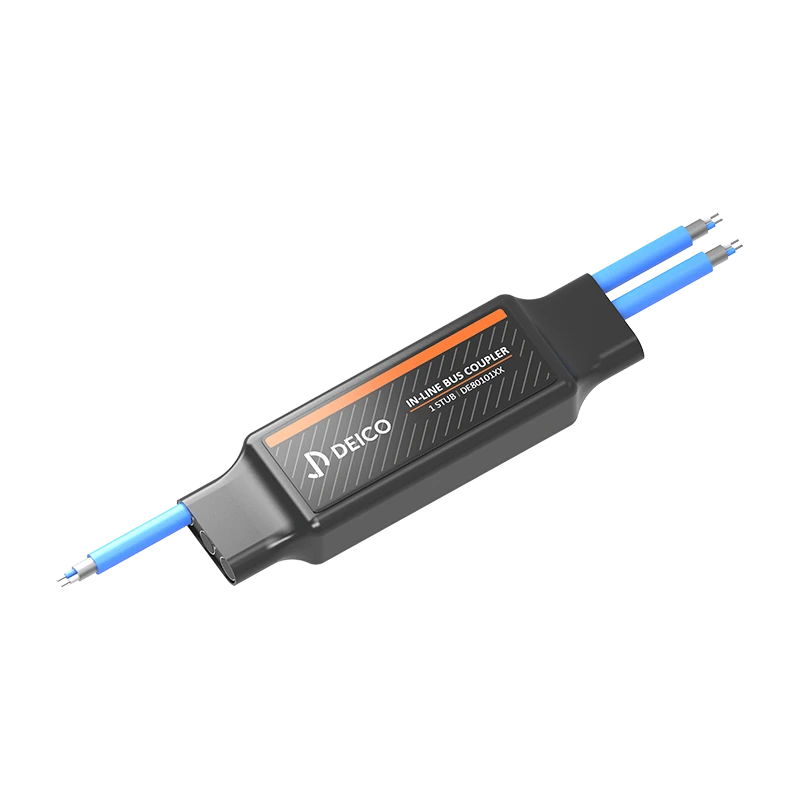
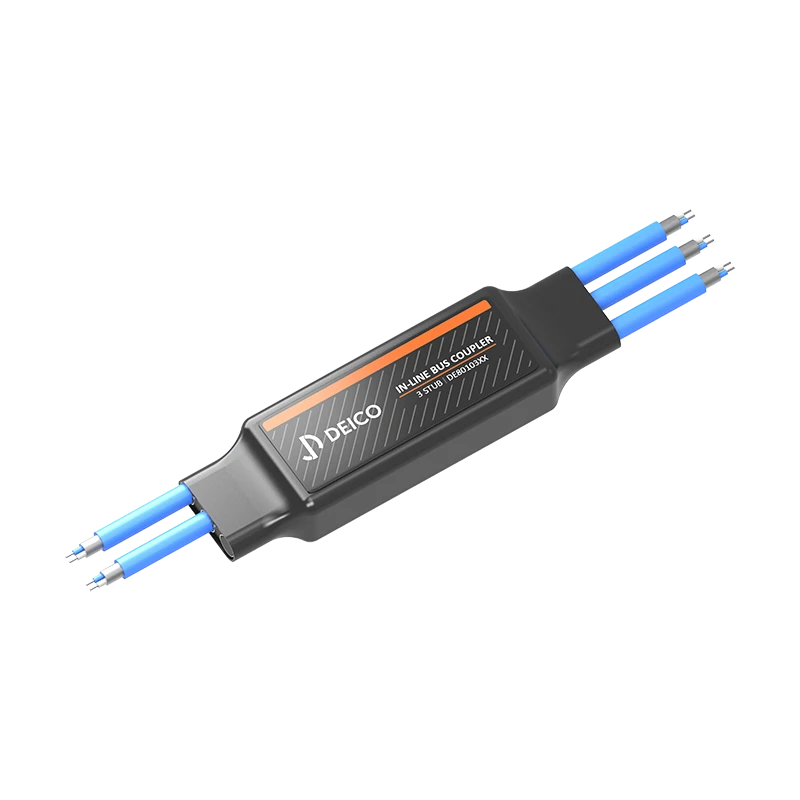
The DEICO MIL-STD-1553 In-Line Bus Coupler series offers reliable connection elements for structured data bus networks. The series is designed for bus lines, stub connections, and various termination options.
Typical applications for the bus coupler series include avionics systems, test systems, and military platforms.
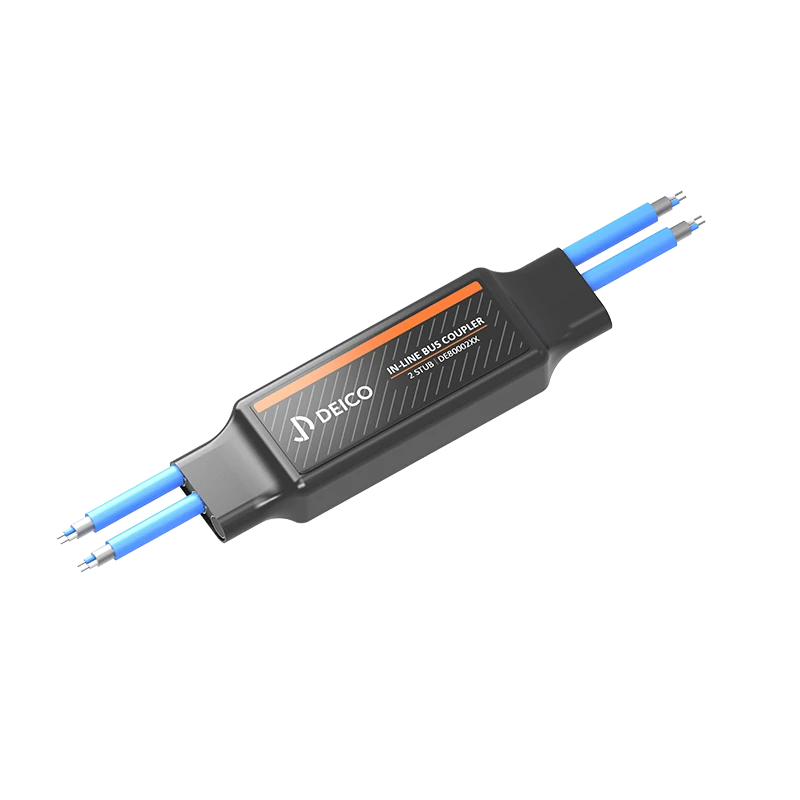
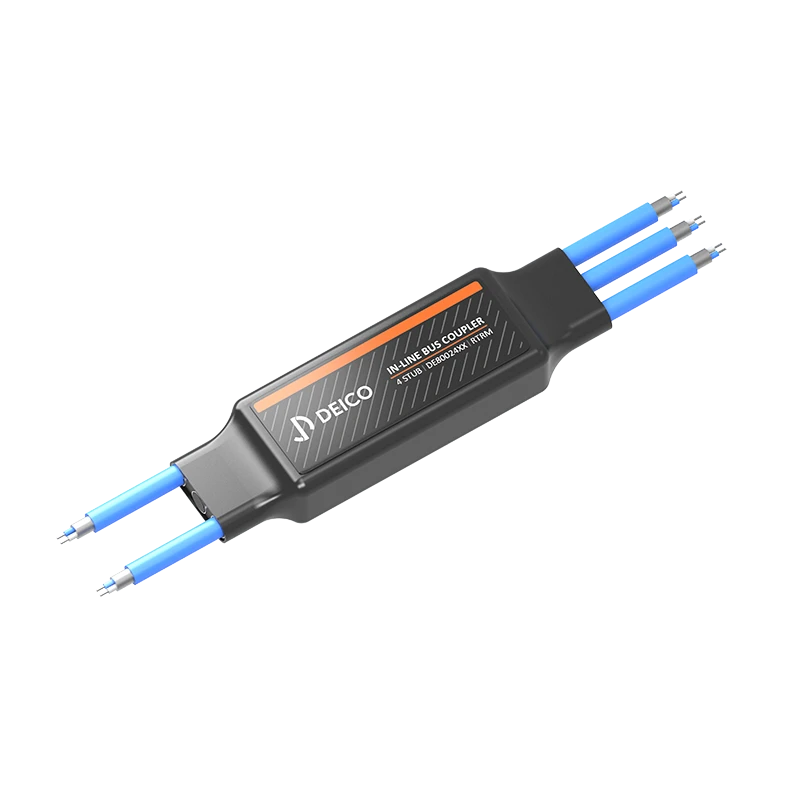
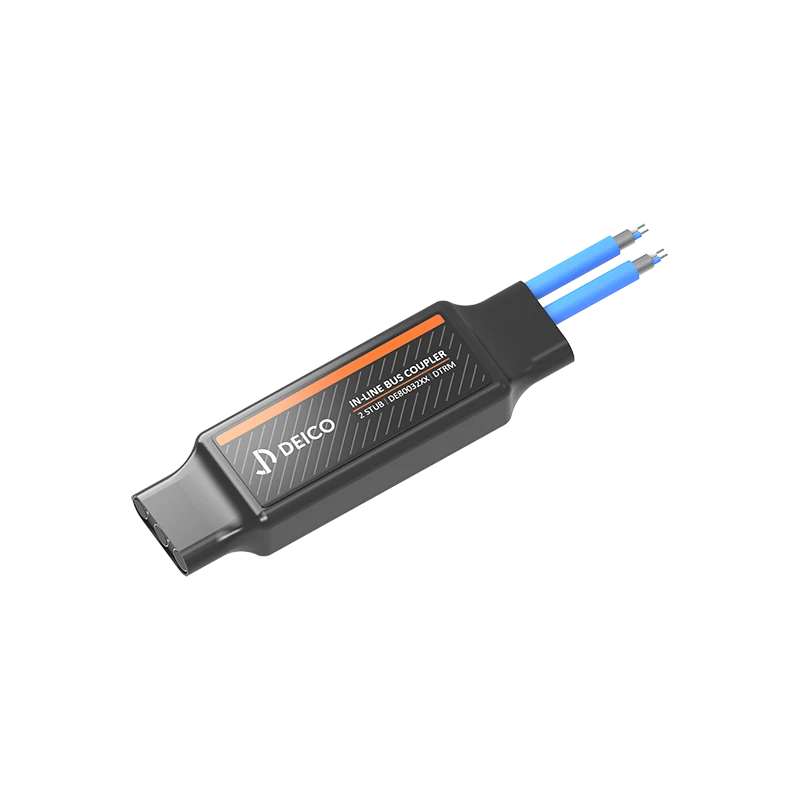
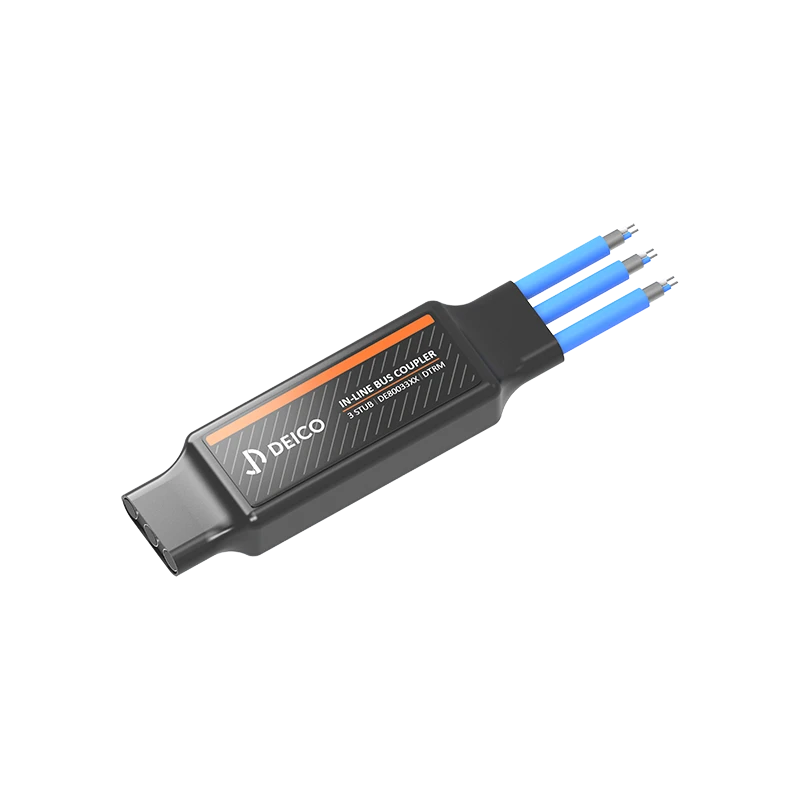
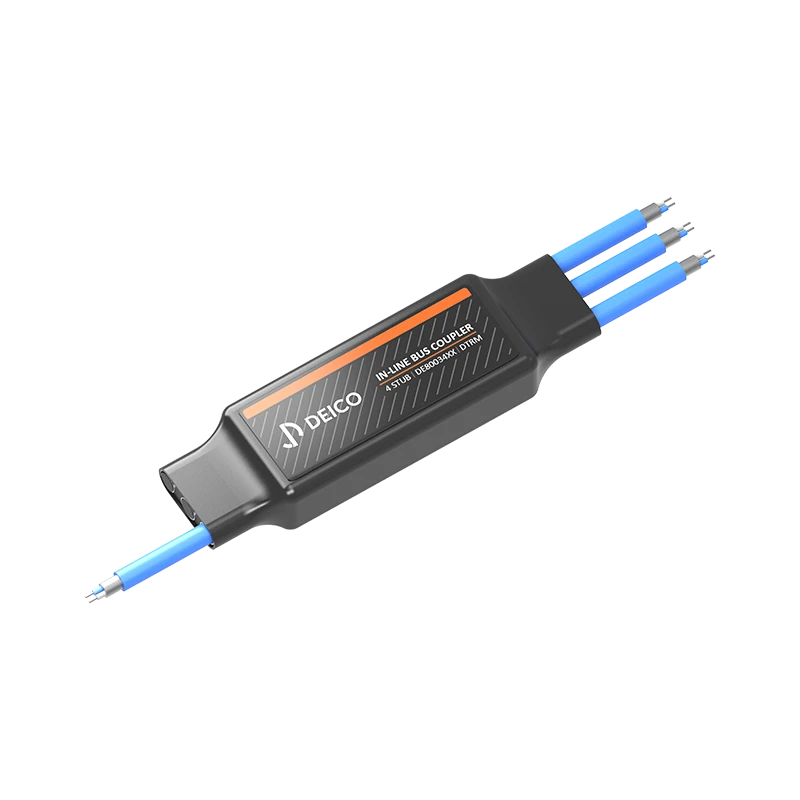
The DEICO DE80022XX is an aeronautical in-line bus coupler with two stubs, bus lines on the same side, and right-side termination.
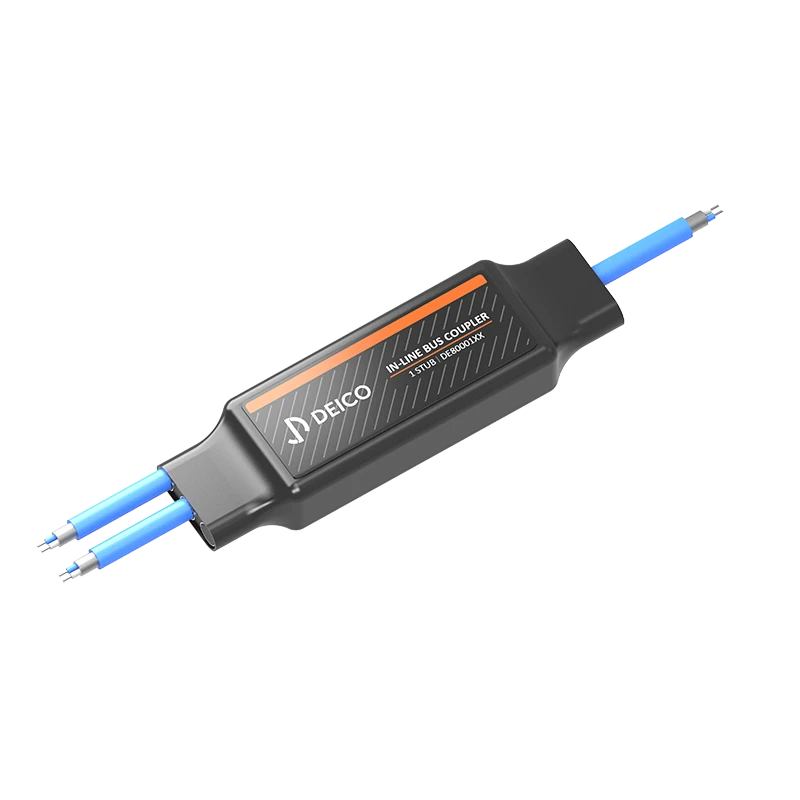
Compared to the DE80122XX, it offers the same number of stubs and termination side, but with same-side bus routing. Product features of the series: MIL-STD-1553 In-Line Type Coupler Transformer Ratio: 1:1.41 Stub Resistor Value: 59 Ohms ±1% 1W Bus Termination: 78.7 Ohms ±1% 2W for terminated models Characteristic Impedance: λ = 78 Ohms Common Mode Rejection: -45.0 dB max. @ 1.0 MHz Overshoot & Ringing: ±1.0 V Peak
DEICO Engineering develops specialized solutions for demanding applications in aerospace, defense, and industry. The focus is on solutions for MIL-STD-1553 bus systems that support reliable data communication and precise signal analysis in test and development environments. The bus couplers can be inserted into the bus and enable the direct connection of an oscilloscope for measurement-based analysis of the corresponding signals.