#statusMessage#
Do you want to start the comparison now?
#statusMessage#
Do you want to start the comparison now?
How Thermography Enhances Manufacturing. Machine stoppages, component overheating, or electrical faults—unplanned downti...
Disturbances in the power grid often go unnoticed until systems shut down or equipment fails. Regular power quality asse...
In this practical checklist you will learn how to calibrate your measuring and test instruments effectively – simply, ef...
Modern oscilloscopes of the MXO Series from Rohde & Schwarz enable precise analysis and optimization of electric dri...
Manufacturer number: DE80002XX
| Article number: | DE80002XX |
|---|---|
| Bustype: | MIL-STD-1553 |
| Final closure: | No |
| Input resistance: | 59 Ω ±1 % (Stub termination resistor) |
| Model: | DE80002XX |
| Special features: | 2 Stub - Same Side |
| Weight (kg): | 0 |
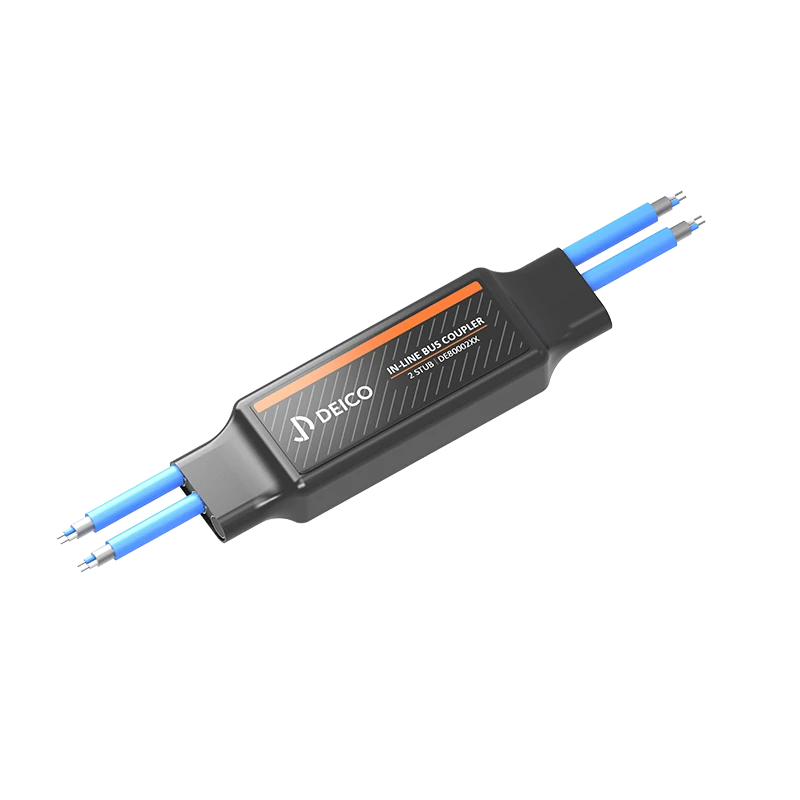
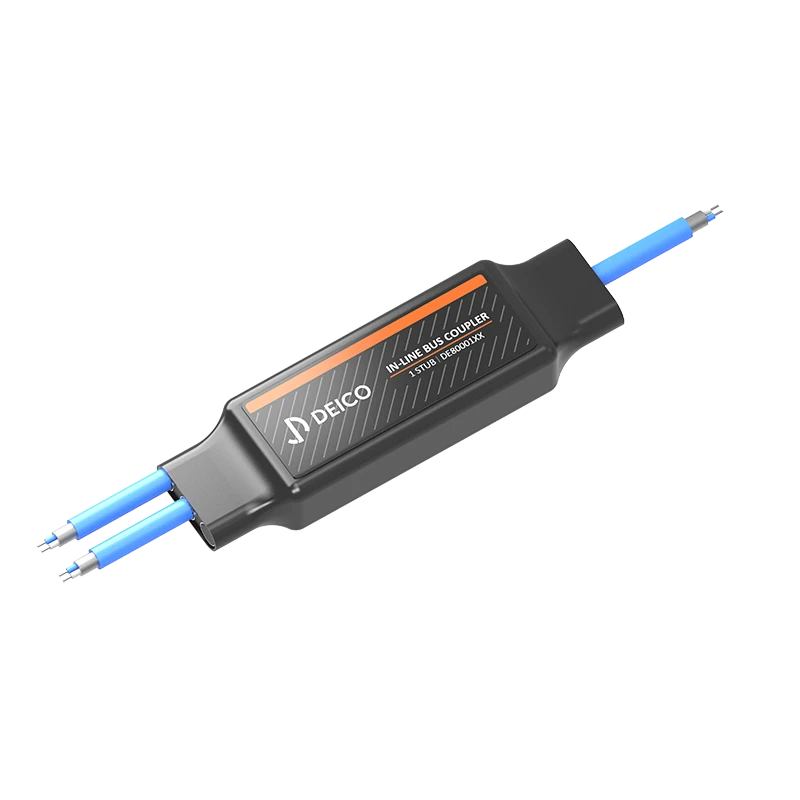
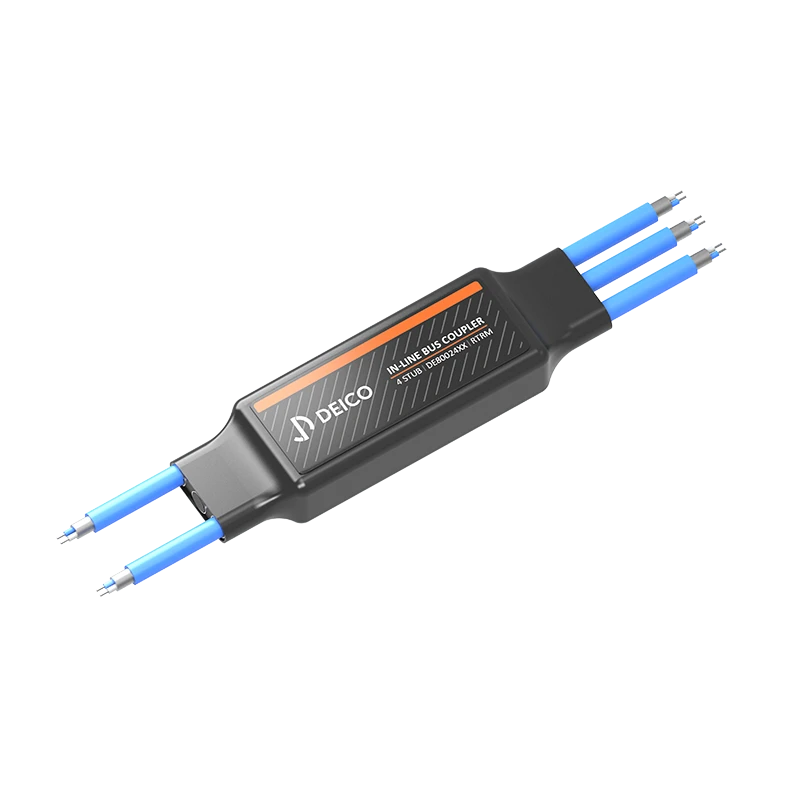
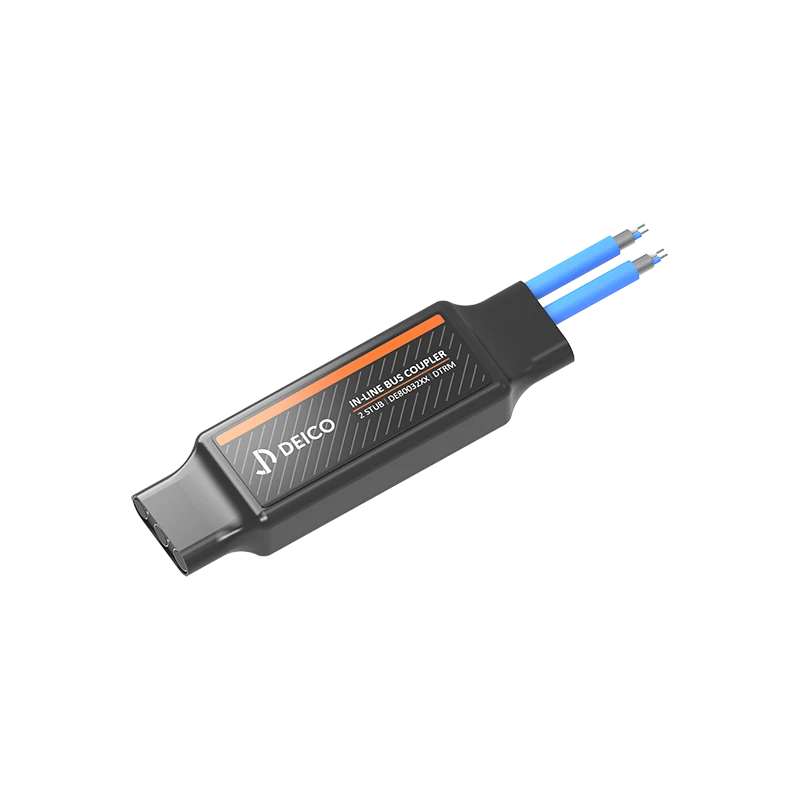
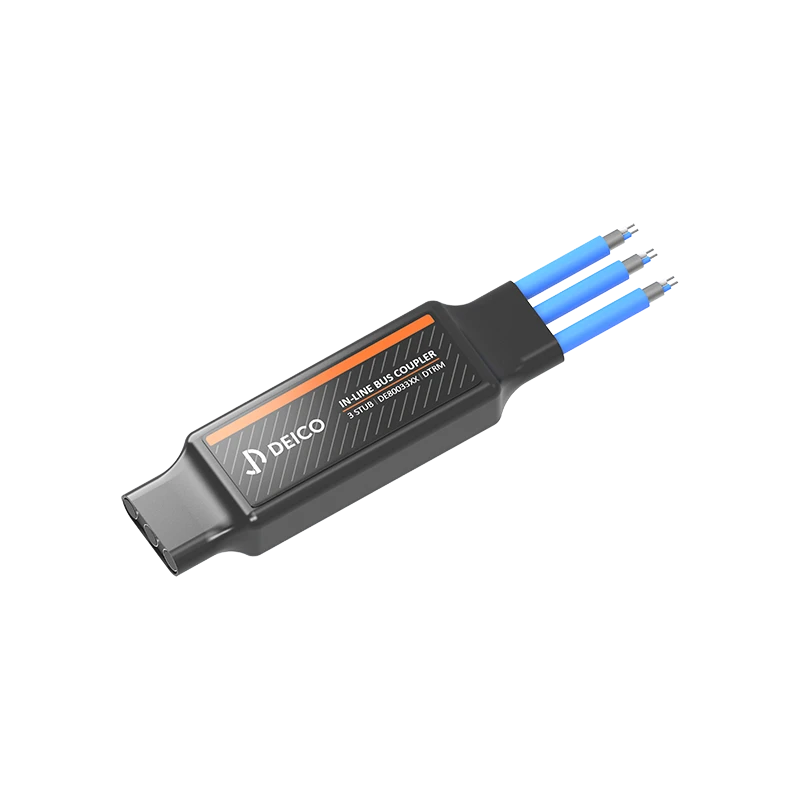
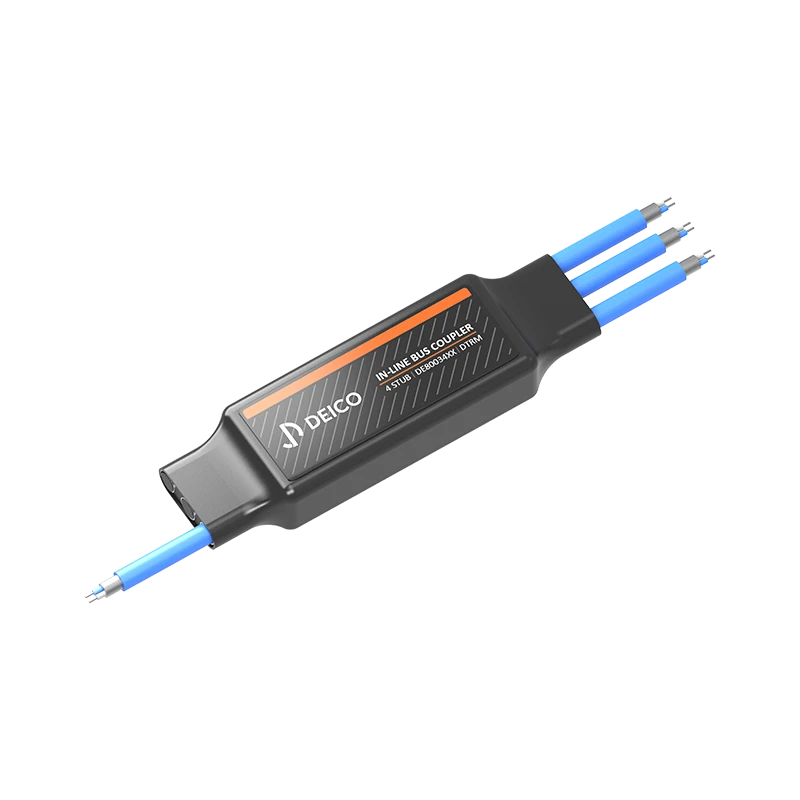
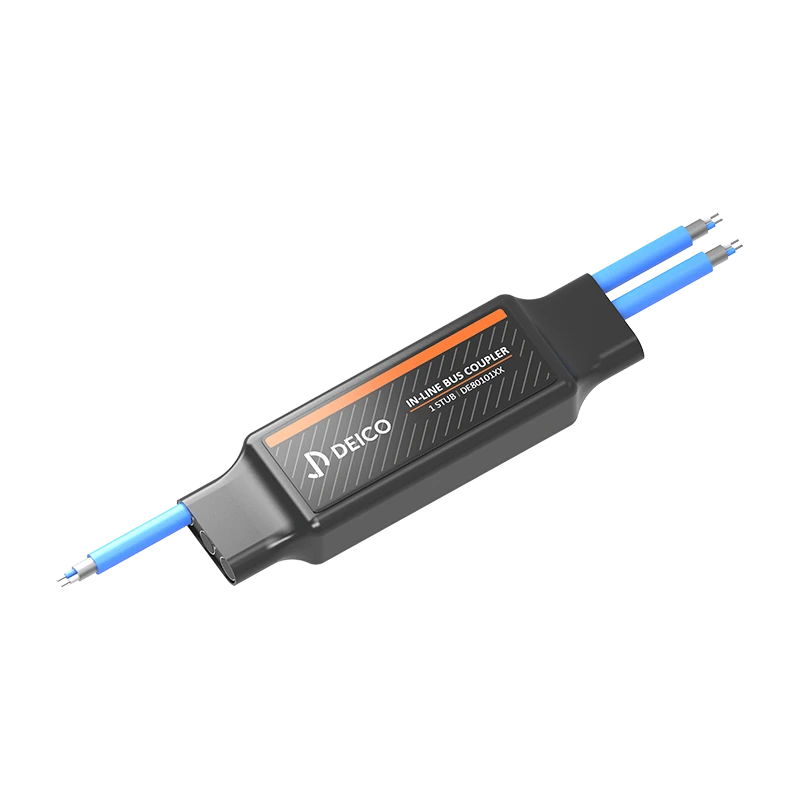
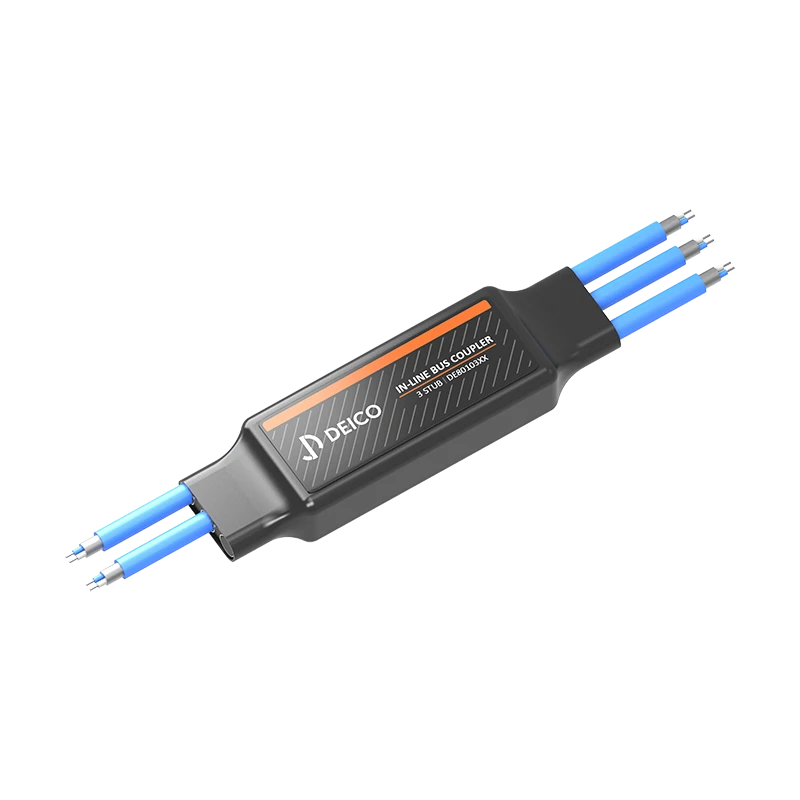
The DEICO MIL-STD-1553 In-Line Bus Coupler series offers COTS components for reliable MIL-STD-1553 data bus cabling. It supports defined stub connections with transformer coupling and protective resistors.
Typical applications for the bus coupler series include civil and military platforms, avionics systems, and test environments.
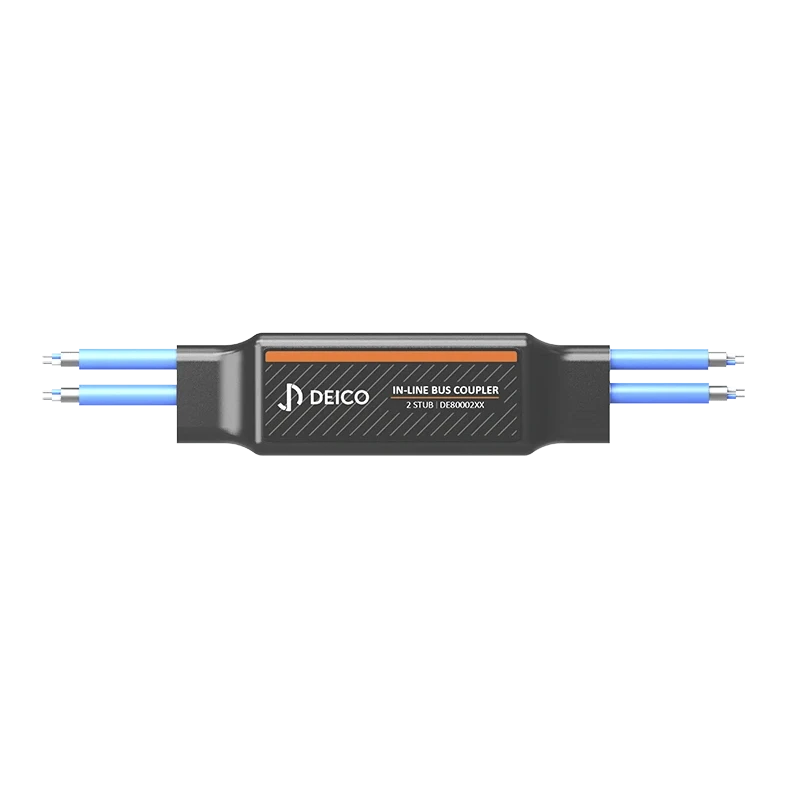
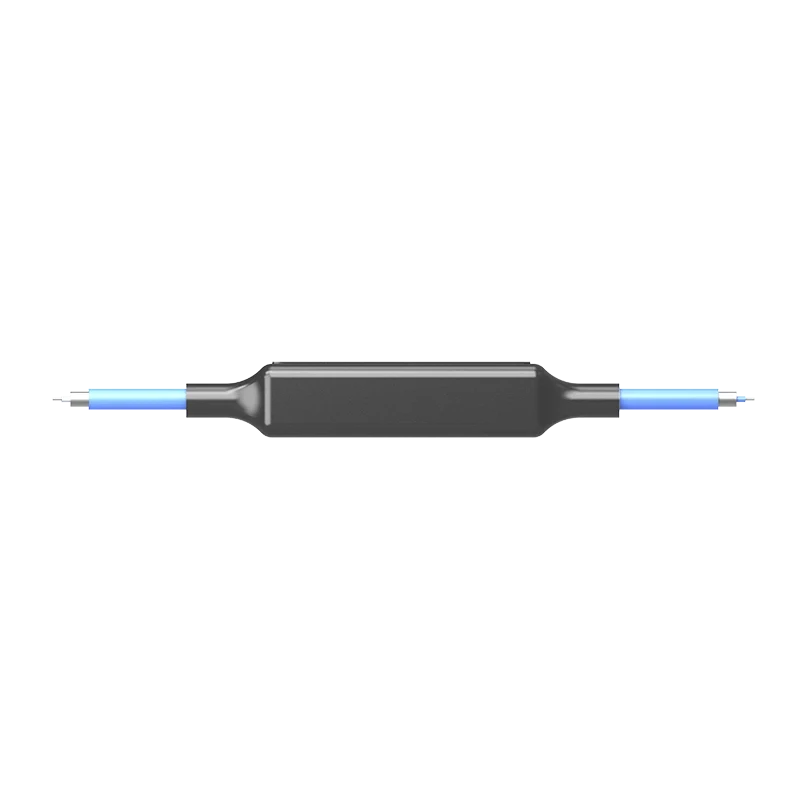
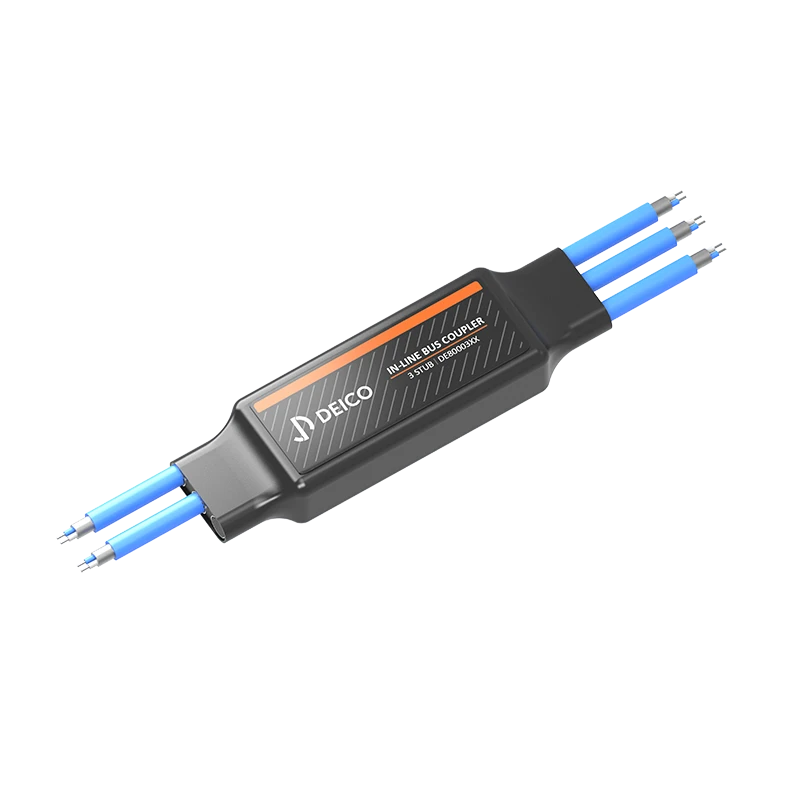
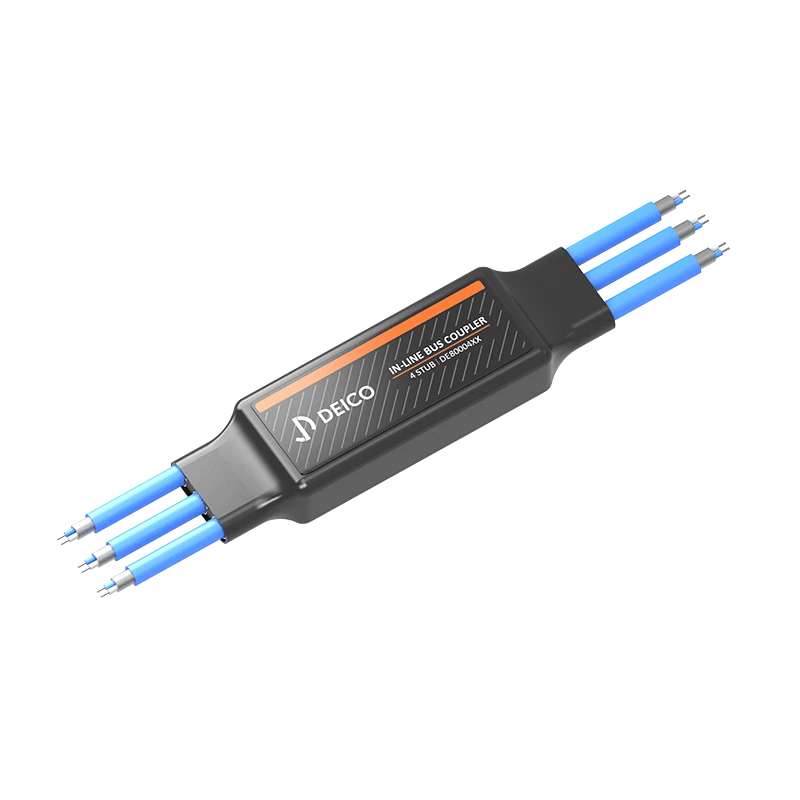
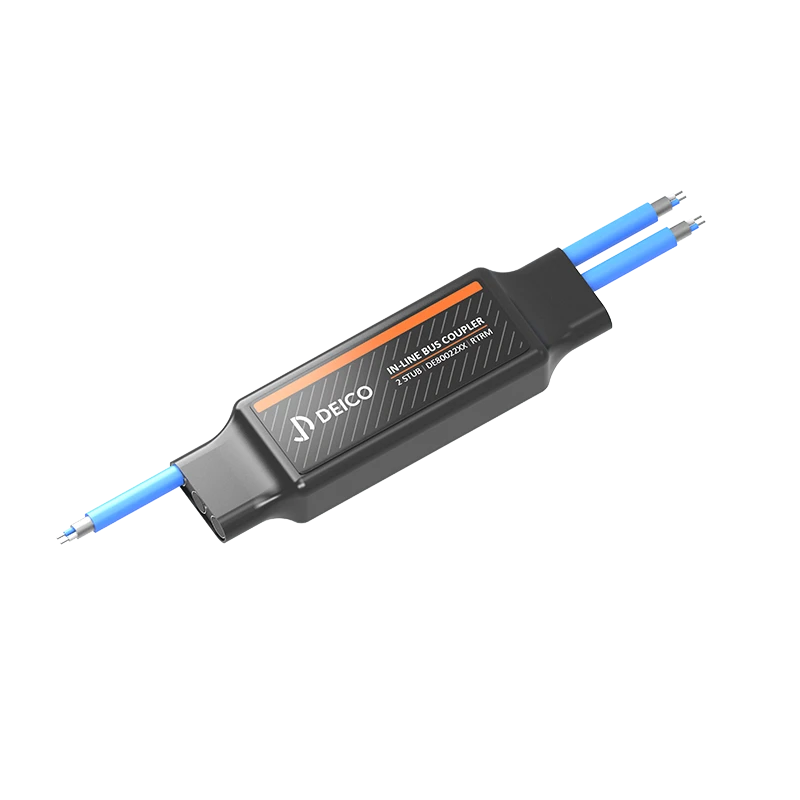
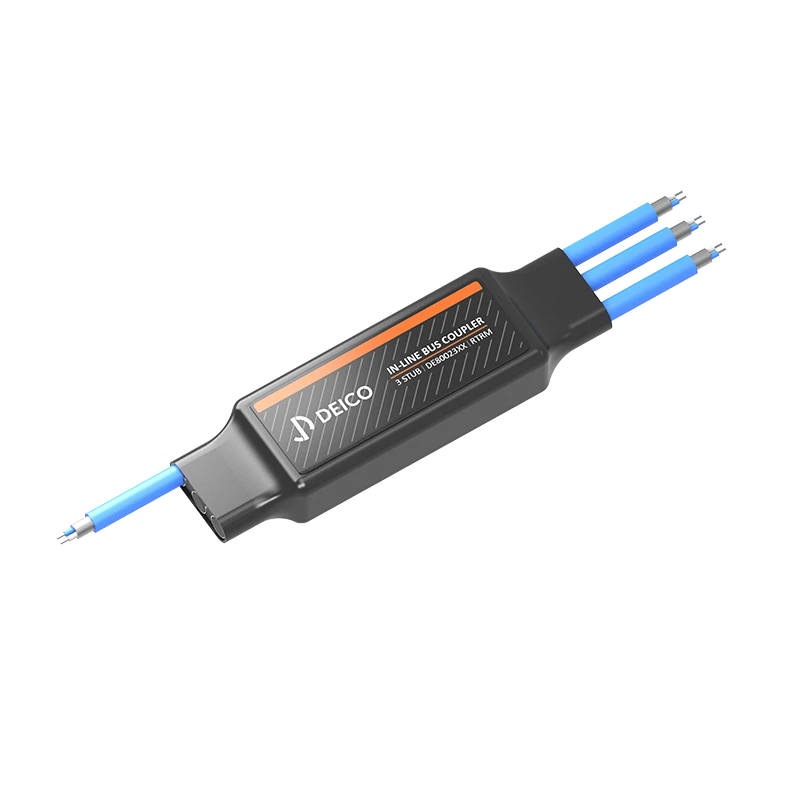
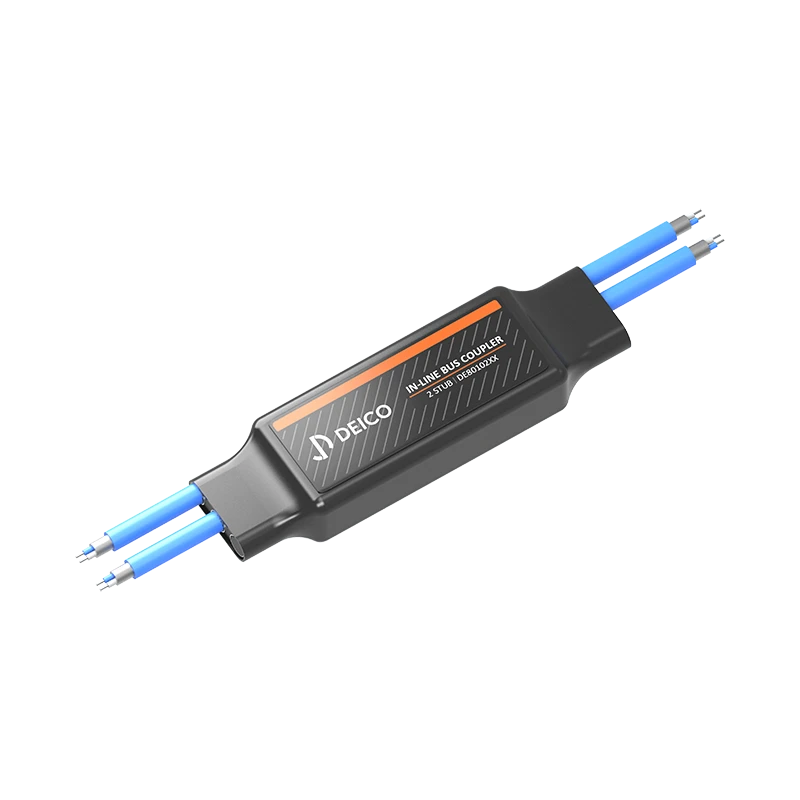
The DEICO DE80002XX is an aeronautical in-line bus coupler with two stubs, bus lines on the same side, and no termination.
Compared to the DE80102XX, it differs in its same-side bus configuration for installations with single-sided cabling. Product features of the series: MIL-STD-1553 In-Line Type Coupler Transformer Ratio: 1:1.41 Stub Resistor Value: 59 Ohms ±1% 1W Characteristic Impedance: λ = 78 Ohms Common Mode Rejection: -45.0 dB max. @ 1.0 MHz Input Impedance of Bus: 3000 Ohms min. Overshoot & Ringing: ±1.0 V Peak
DEICO Engineering develops specialized solutions for demanding applications in aerospace, defense, and industry. The focus is on solutions for MIL-STD-1553 bus systems that support reliable data communication and precise signal analysis in test and development environments. The bus couplers can be inserted into the bus and enable the direct connection of an oscilloscope for measurement-based analysis of the corresponding signals.