#statusMessage#
Do you want to start the comparison now?
#statusMessage#
Do you want to start the comparison now?
How Thermography Enhances Manufacturing. Machine stoppages, component overheating, or electrical faults—unplanned downti...
Disturbances in the power grid often go unnoticed until systems shut down or equipment fails. Regular power quality asse...
In this practical checklist you will learn how to calibrate your measuring and test instruments effectively – simply, ef...
Modern oscilloscopes of the MXO Series from Rohde & Schwarz enable precise analysis and optimization of electric dri...
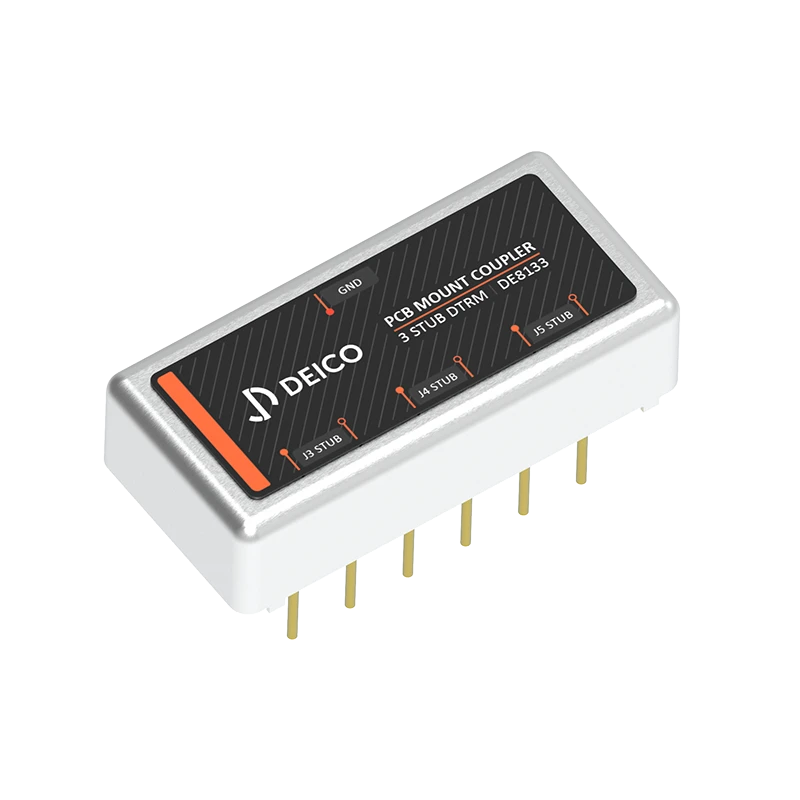
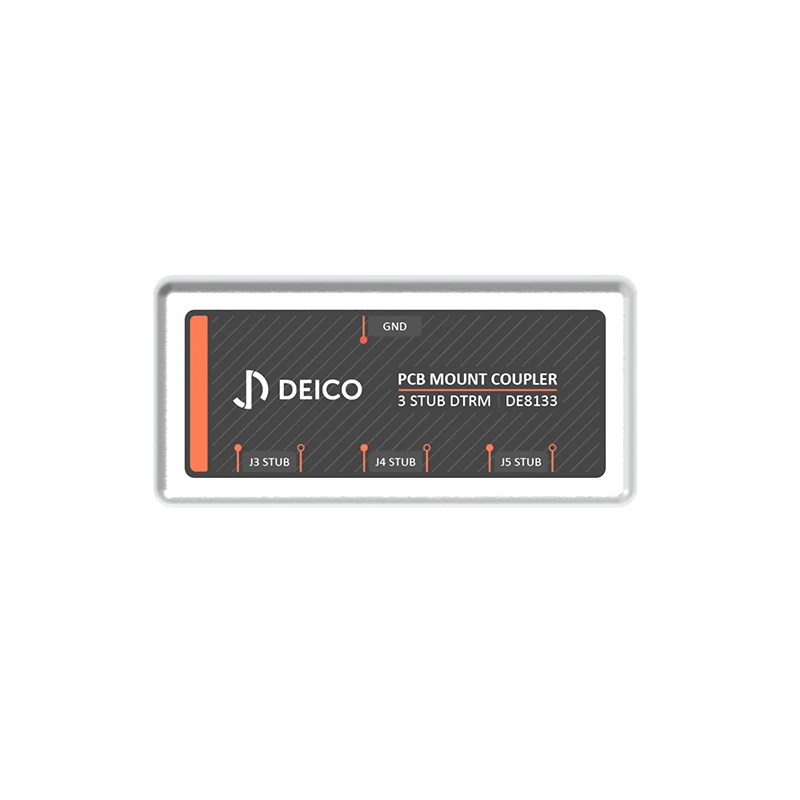
Manufacturer number: DE8133
| Article number: | DE8133 |
|---|---|
| Bustype: | MIL-STD-1553 |
| Final closure: | Yes |
| Input resistance: | 59 Ω ±1 % (Stub termination resistor) |
| Model: | DE8133 |
| Special features: | 3 Stub - Dual Remote Terminal |
| Weight (kg): | 0 |
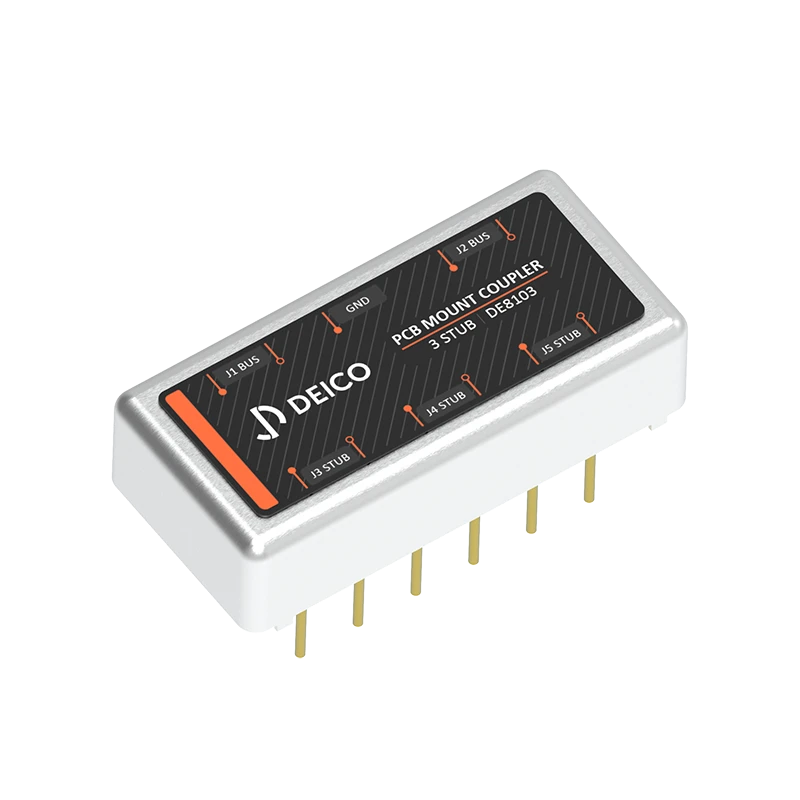
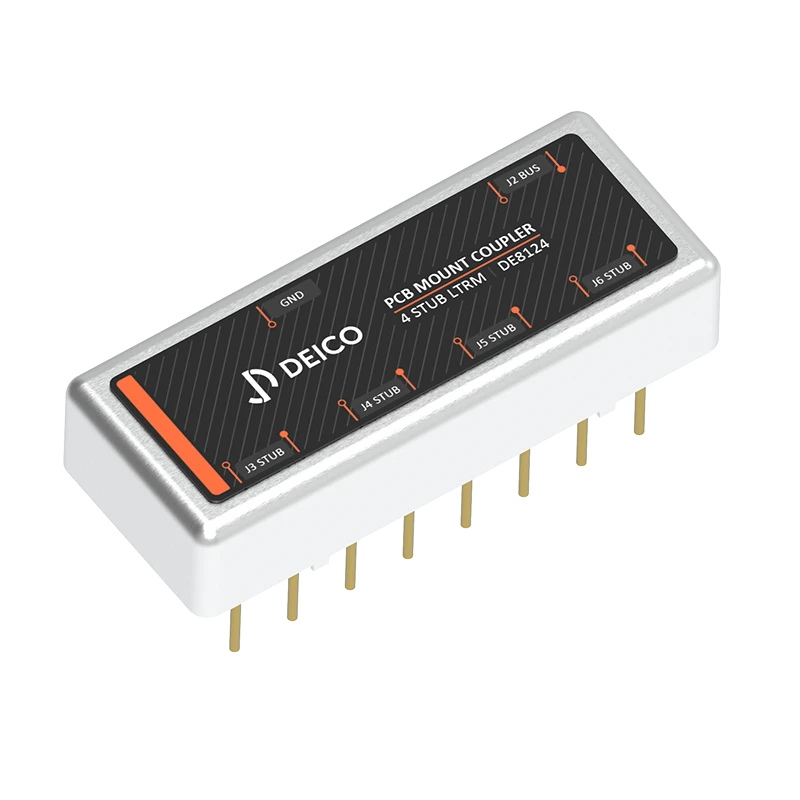
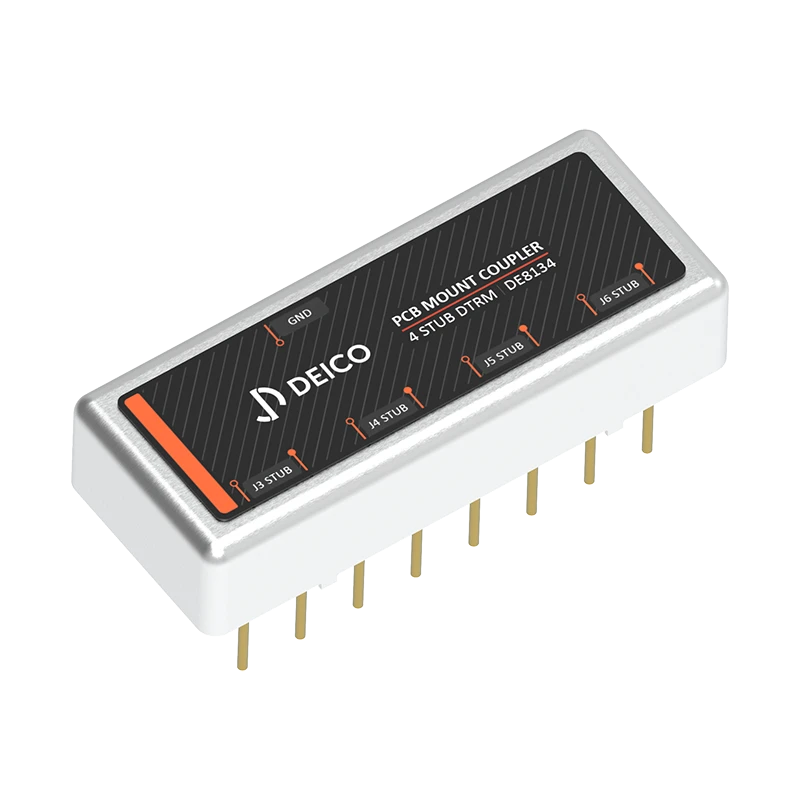
The DEICO MIL-STD-1553 PCB Type Bus Coupler series stands for reliable bus connections with high signal quality and a robust design.
Typical applications for the DEICO MIL-STD-1553 bus couplers include military and industrial applications where stable data communication is required.
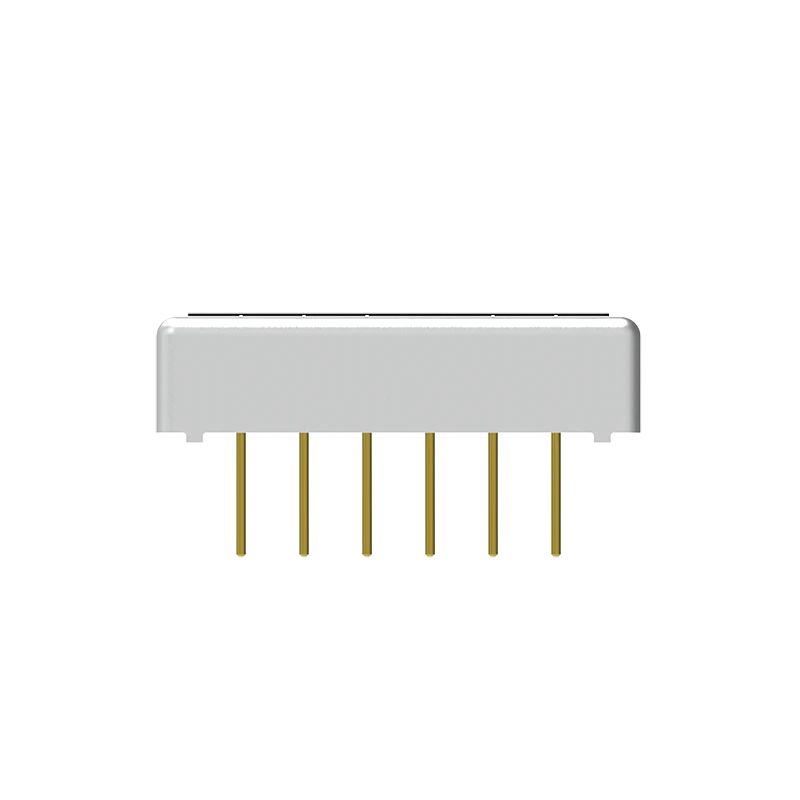
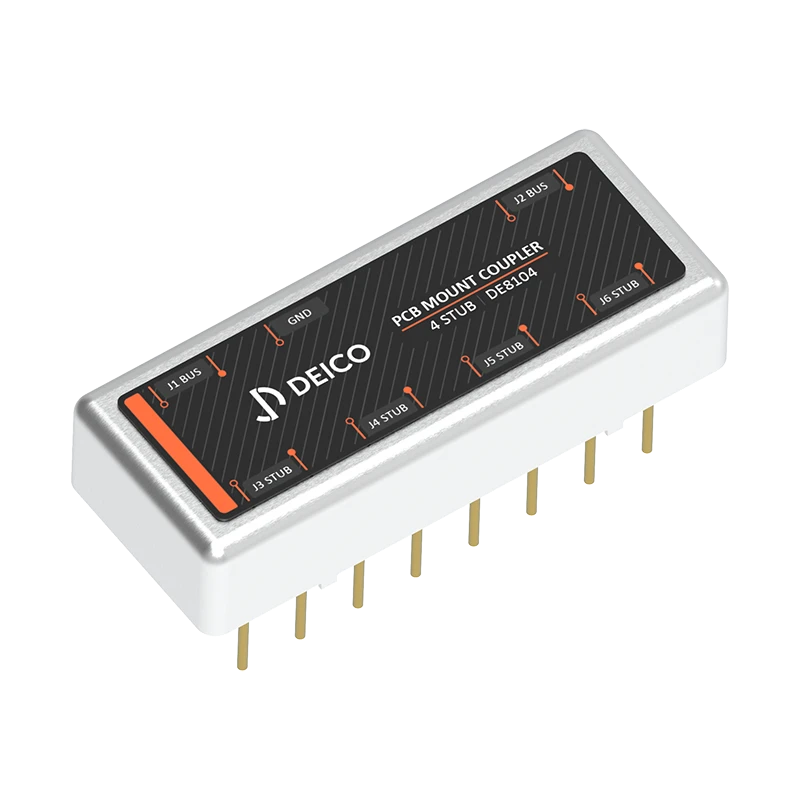
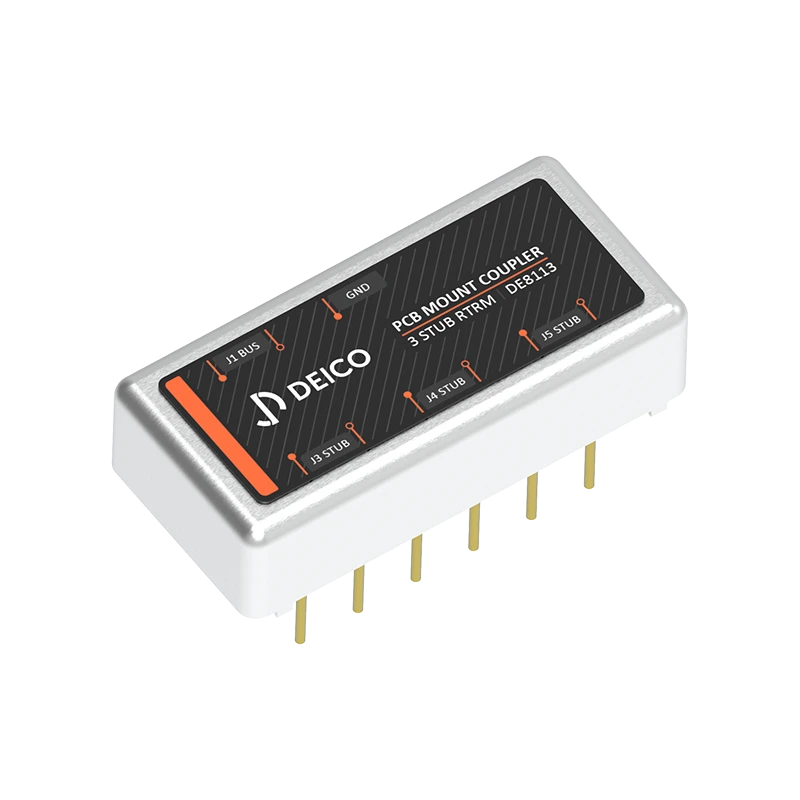
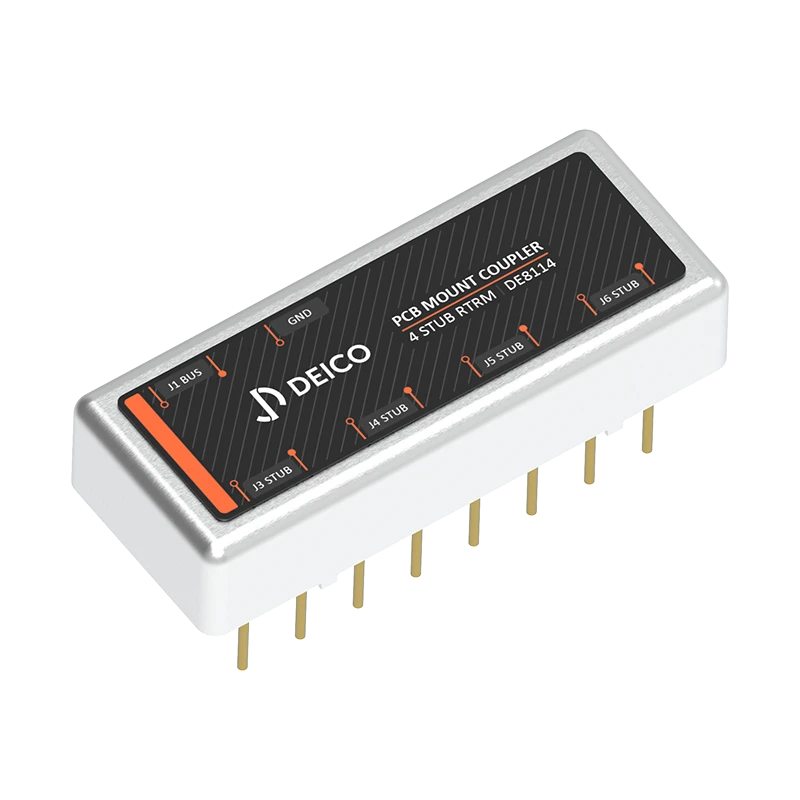
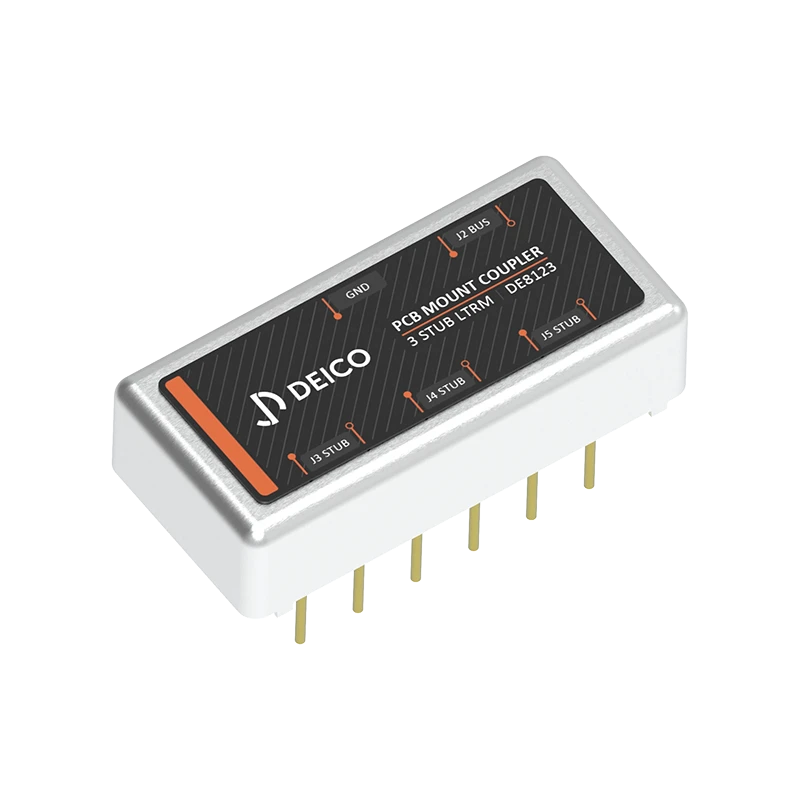
The DE8133 model is a 3-stud bus coupler with termination at both ends. Compared to all other 3-stud variants, this model offers the most complete integration through dual bus termination resistors. This makes the DE8133 particularly suitable for applications where both bus ends are to be implemented directly within the coupler. Compared to the DE8113 and DE8123, it offers maximum termination flexibility. Product features of the series: Transformer ratio: 1:1.41 Stub resistance: 59 ohms ±1% (1W) Characteristic impedance: 78 ohms Common mode rejection: -45 dB max @ 1 MHz Droop: max. 20% Temperature range: -55°C to +125°C
DEICO Engineering develops specialized solutions for demanding applications in aerospace, defense, and industry. The focus is on solutions for MIL-STD-1553 bus systems that support reliable data communication and precise signal analysis in test and development environments. The bus couplers can be inserted into the bus and enable the direct connection of an oscilloscope for measurement-based analysis of the corresponding signals.