#statusMessage#
Do you want to start the comparison now?
#statusMessage#
Do you want to start the comparison now?
How Thermography Enhances Manufacturing. Machine stoppages, component overheating, or electrical faults—unplanned downti...
Disturbances in the power grid often go unnoticed until systems shut down or equipment fails. Regular power quality asse...
In this practical checklist you will learn how to calibrate your measuring and test instruments effectively – simply, ef...
Modern oscilloscopes of the MXO Series from Rohde & Schwarz enable precise analysis and optimization of electric drivetr...
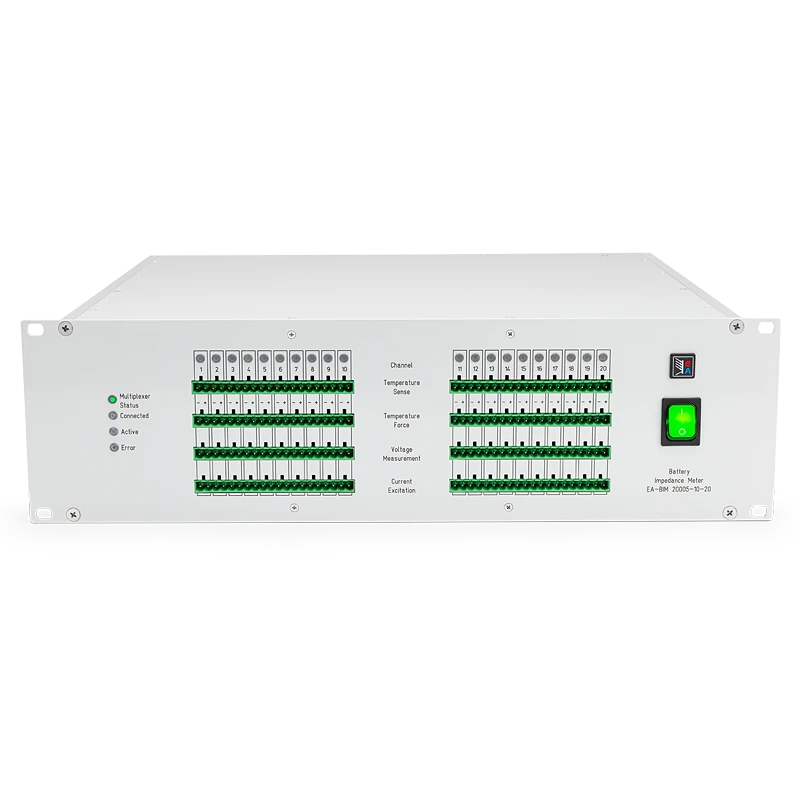
Manufacturer number: EA-BIM 20005-10-20
| Article number: | 2102001 |
|---|---|
| Current measuring range AC: | 10 A |
| Current measuring range DC: | 1 A |
| Dimensions (L x W x H) (mm): | 500.38 x 482.6 x 133.35 |
| Frequency range: | 1 mHz - 10 kHz |
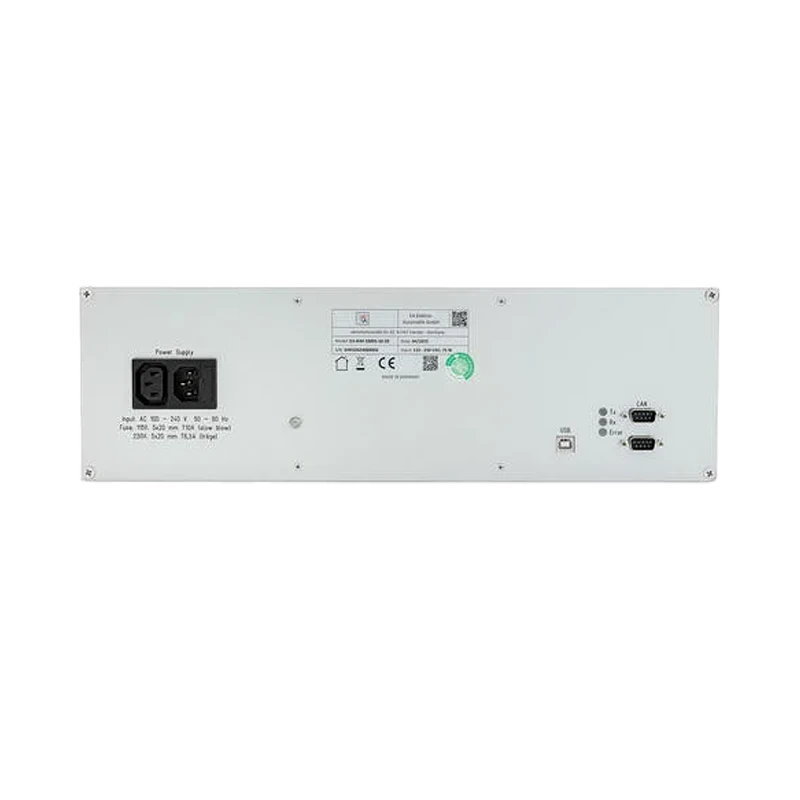
| Interfaces: | USB, CAN |
| Model: | EA-BIM 20005-10-20 |
| Number of channels: | 20 |
| Special features: | Electrochemical impedance spectroscope (EIS) for measuring lithium-ion cells |
| Voltage measuring range DC: | 5 V |
| Weight (kg): | 0 |
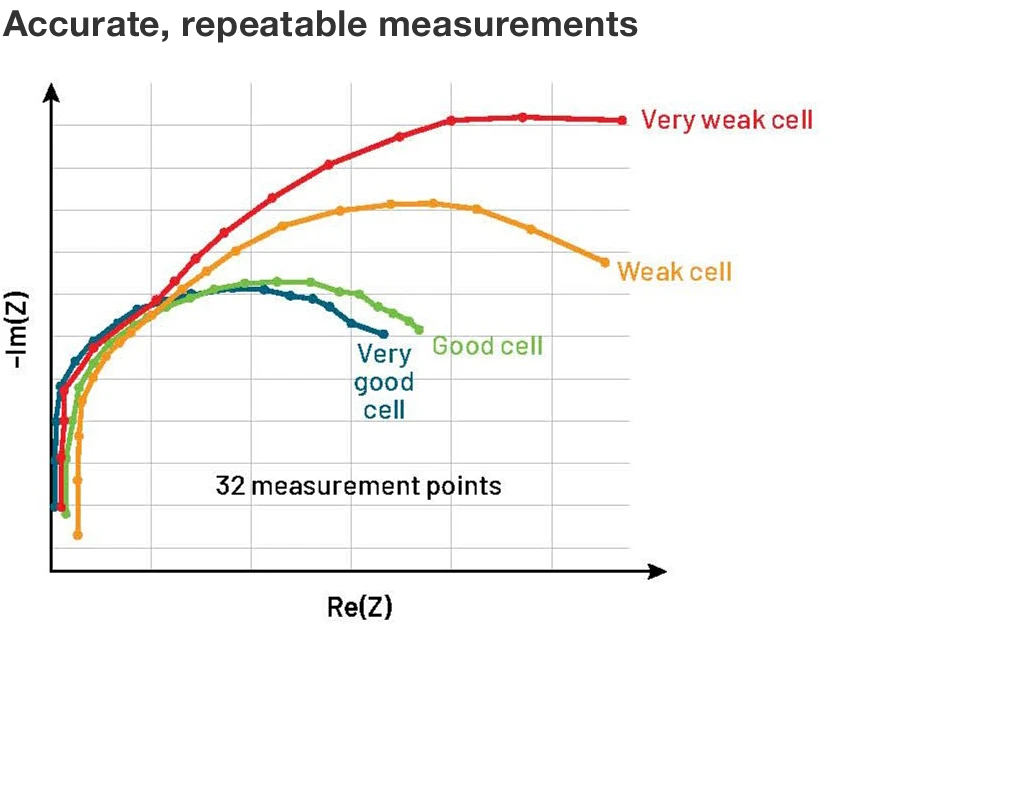
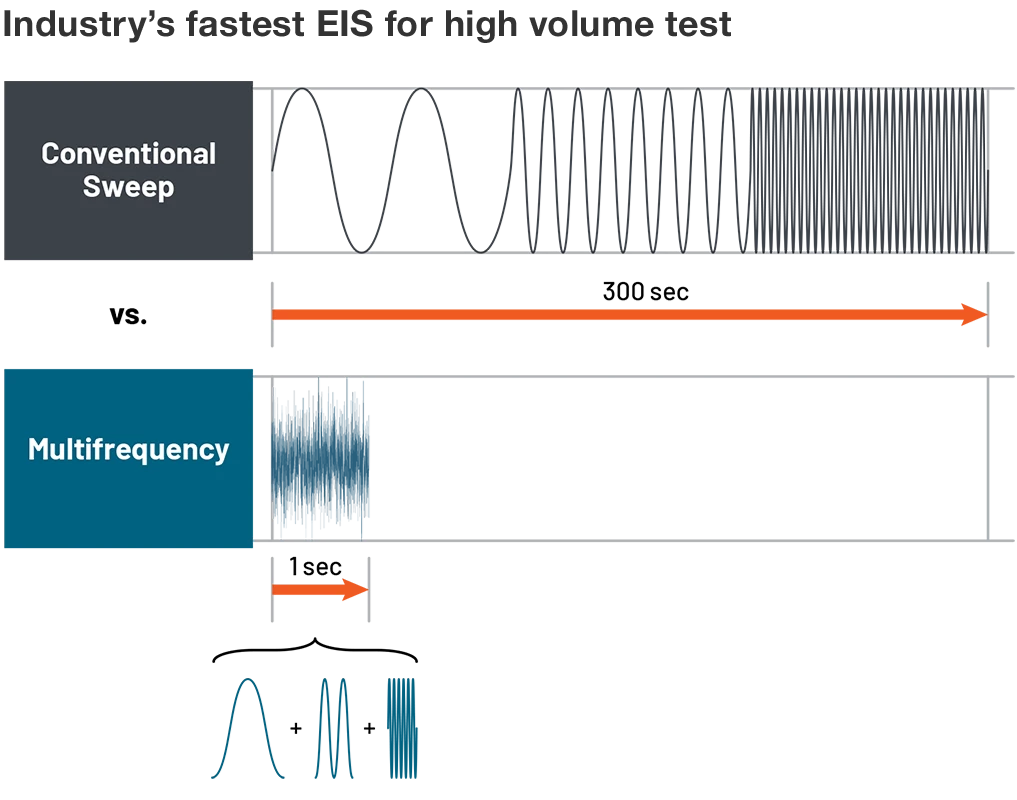
The EA-BIM 20005 is a state-of-the-art electrochemical impedance spectroscope (EIS) specially developed for measuring lithium-ion battery cells. With its 20 channels and innovative multi-sine technology, it delivers high-precision measurement results at an exceptionally high measurement speed - ideal for research, quality testing and high-throughput production environments.
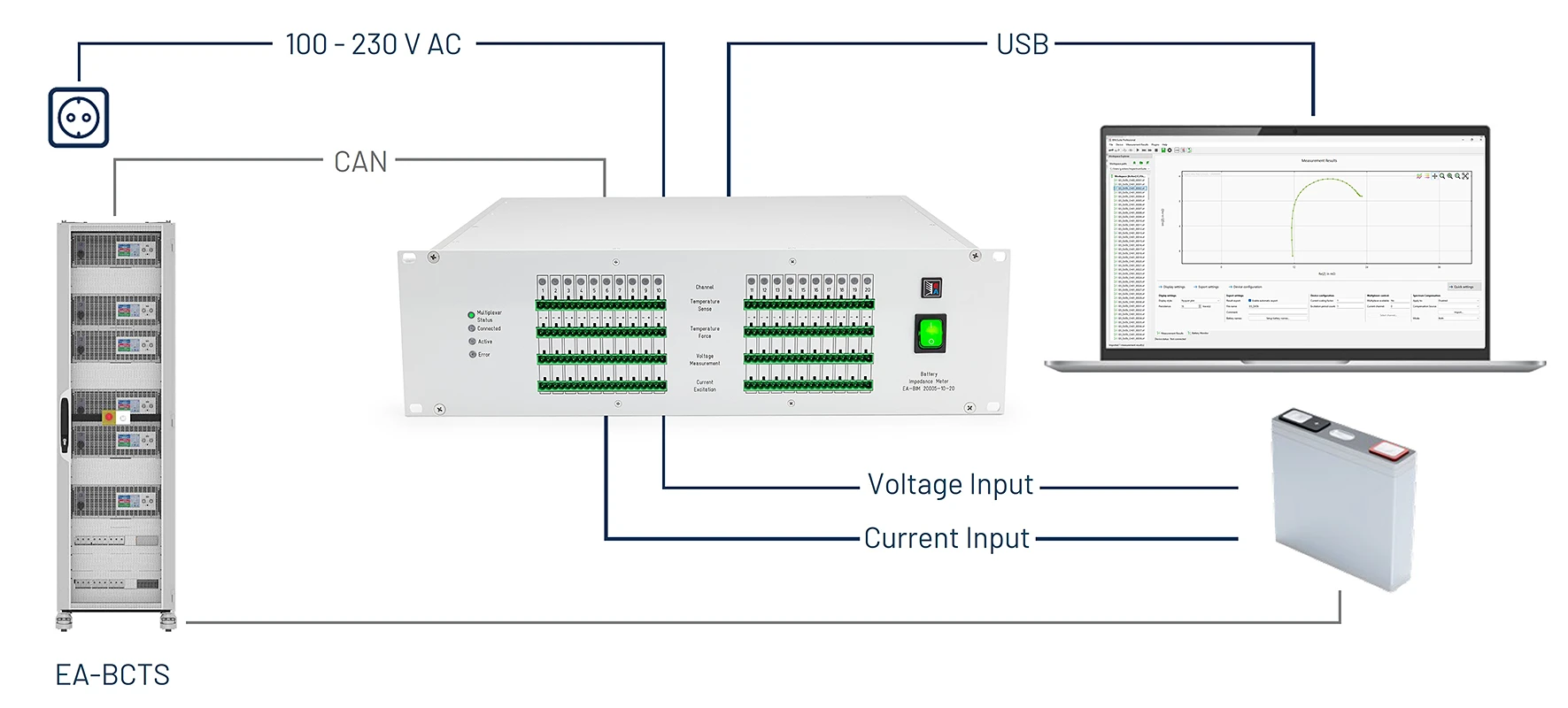
Thanks to its versatile application options, the device is suitable for incoming goods, monitoring and predicting the cell ageing process as well as for research and development. It can easily be combined with battery cycle test systems such as the EA-BCTS to gain more comprehensive insights into cell quality - even during charging and discharging processes.
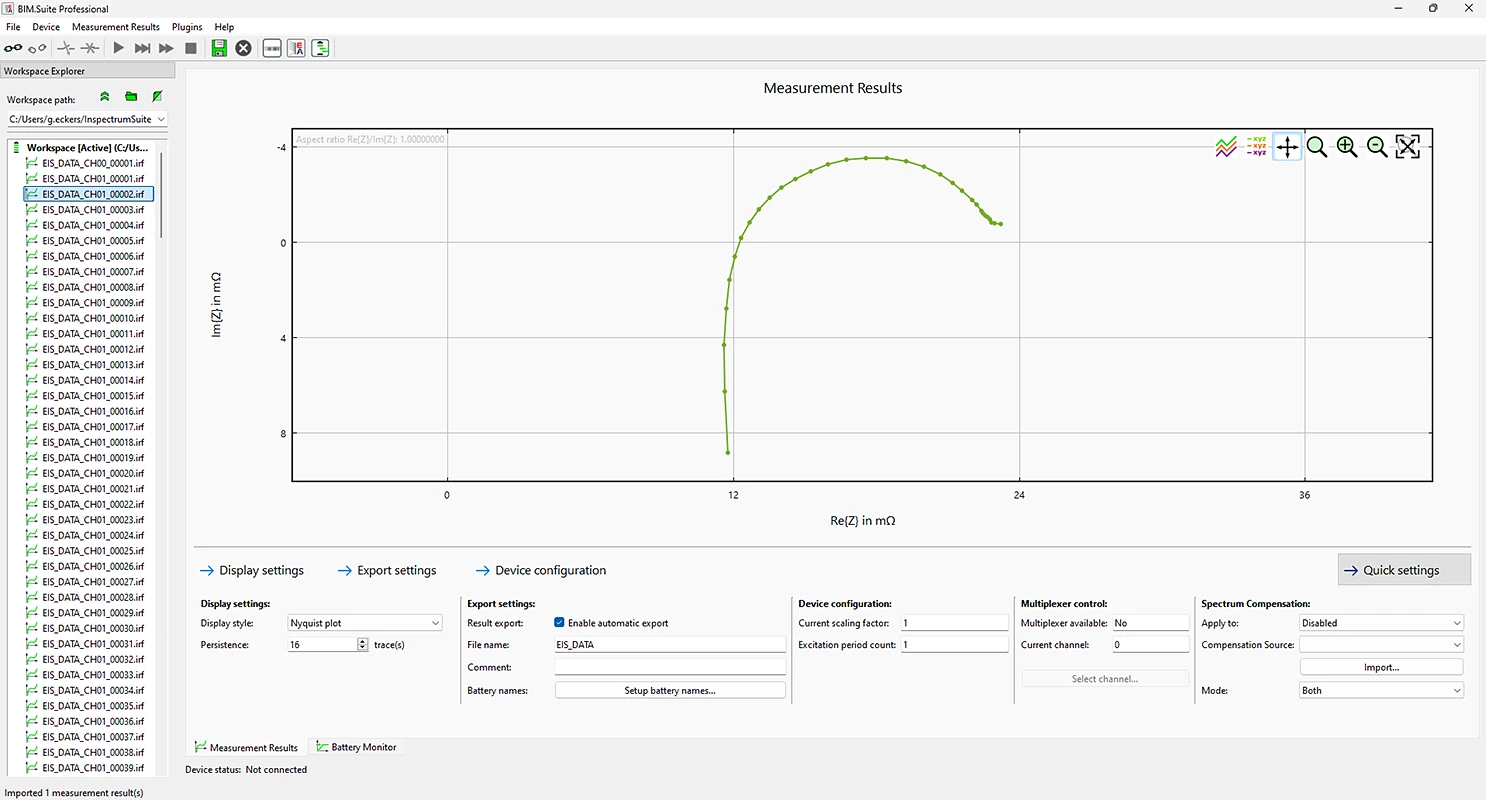
The PC software included in the scope of delivery enables simple configuration, visual evaluation of the measurement results and their storage in various formats. The device can be conveniently integrated into existing test environments via USB or CAN bus - without complex cooling or large space requirements.