
#statusMessage#
Do you want to start the comparison now?
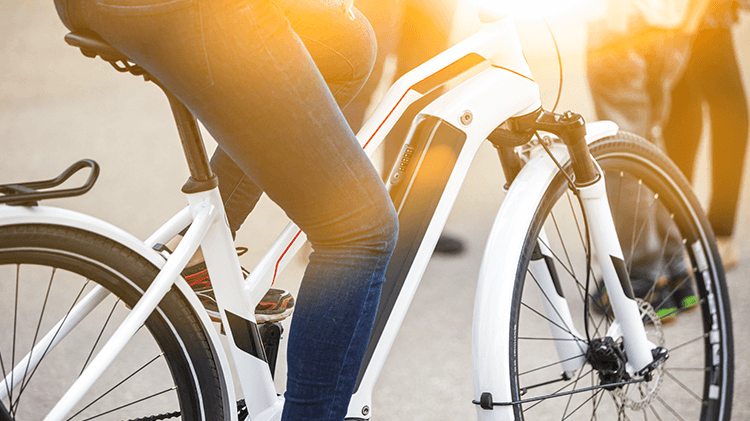
The production and operation of e-bikes require the use of state-of-the-art testing and measurement technology to ensure quality and safety. By utilizing these technologies, repair shops can offer their customers a reliable riding experience, and manufacturers can ensure that their products meet the market’s high standards.
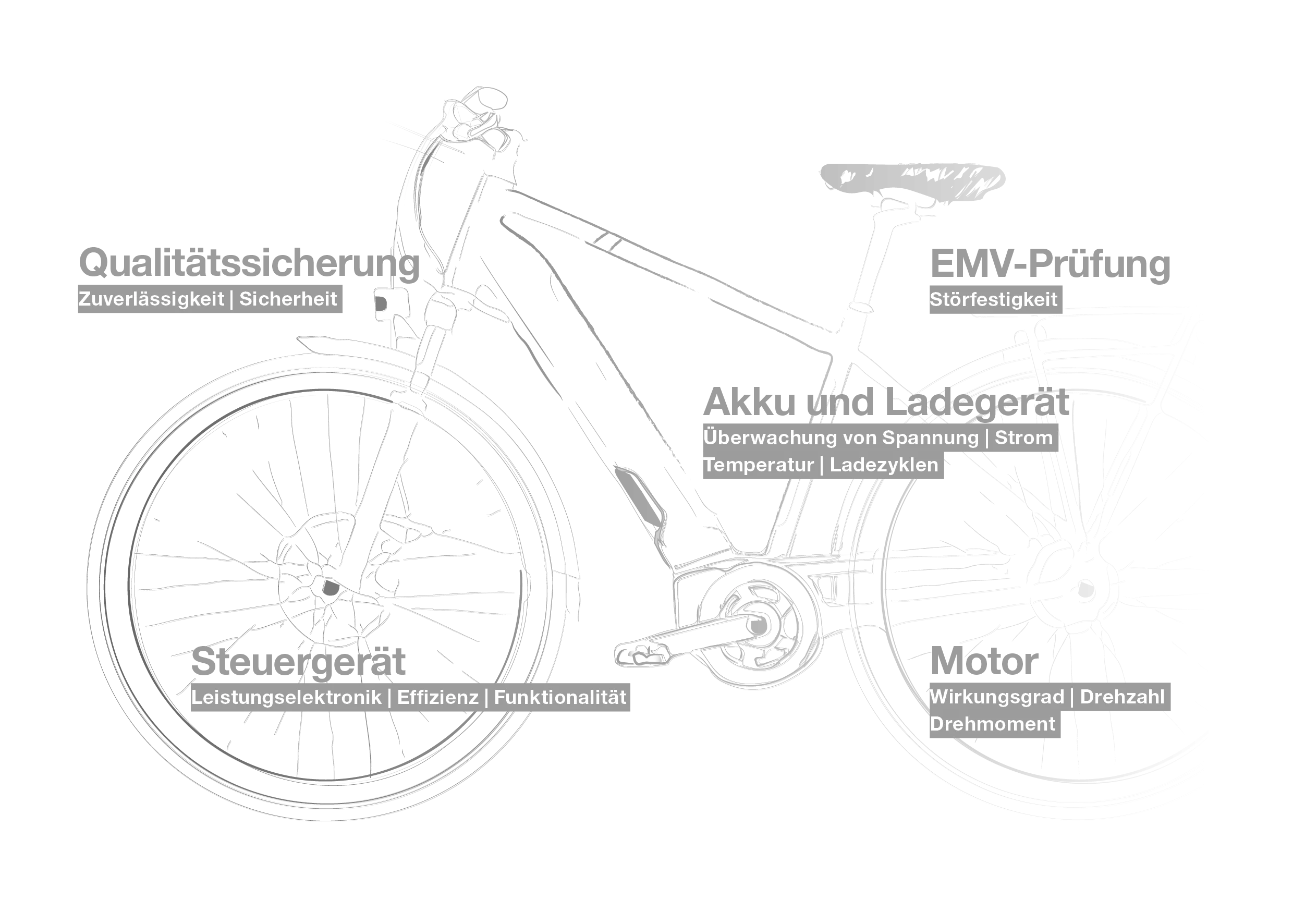
In 2023, the share of electric bicycles and e-bikes in total bicycle sales in Switzerland was 43.7 percent; around 172,500 electric bicycles were sold in total. “It is foreseeable that every second bicycle sold will soon be an e-bike,” predicts Martin Platter, spokesperson for the industry association Velosuisse. E-bikes have significant potential to replace journeys by car or public transport, especially in the hillier regions of Switzerland. In cities, they are often the fastest way to get from A to B - a real alternative to a second car. However, e-bikes must be high-quality, reliable and safe. To meet these requirements, both manufacturers and workshops need modern measurement and testing technology. Tests focus on the battery, charger, motor and electronics.
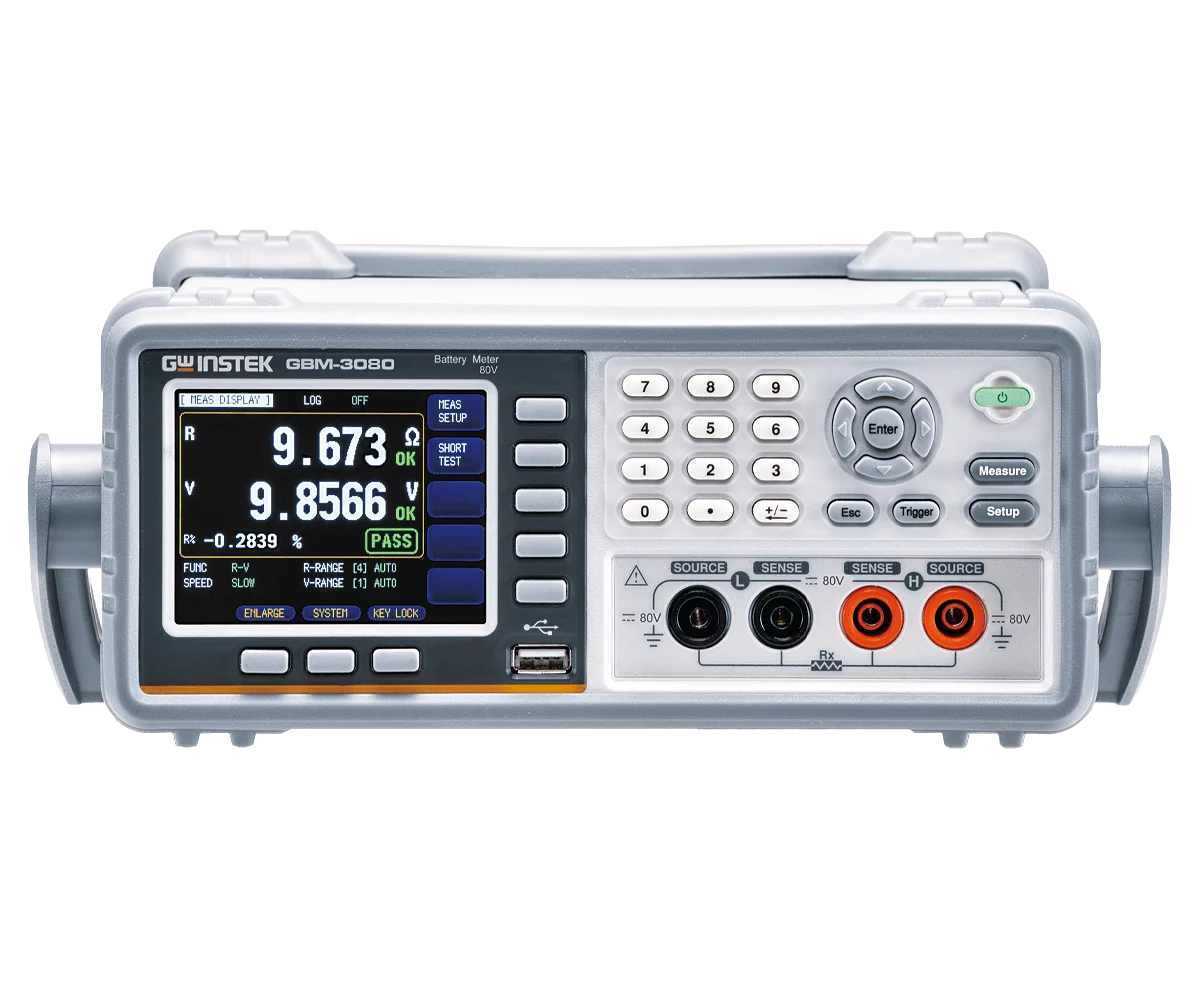
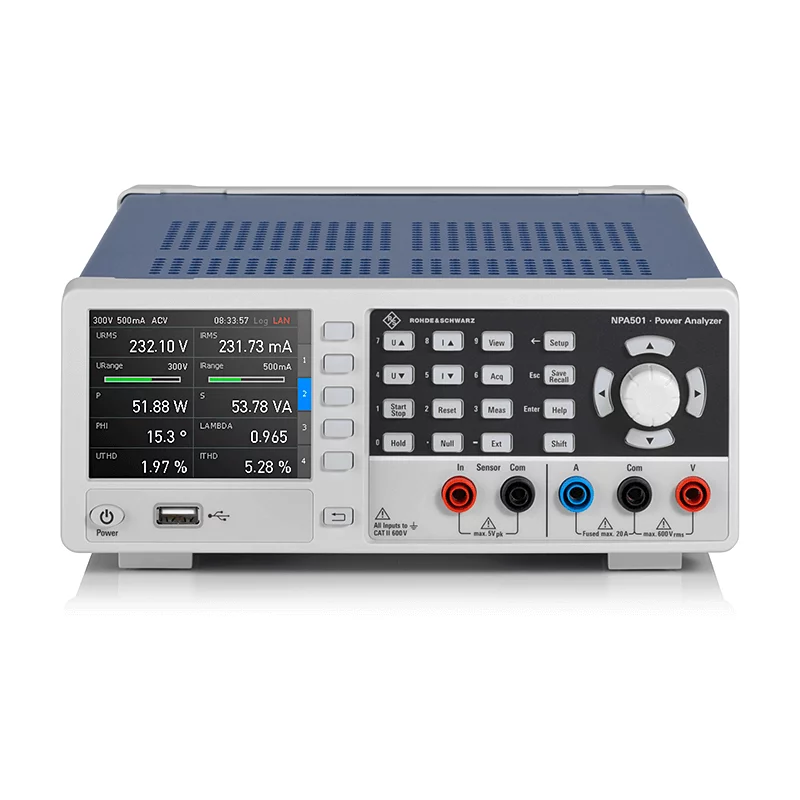
The battery is the core component of every e-bike. Replacement is costly, which means a battery must be powerful and durable. Measurement and test systems enable comprehensive monitoring of voltage, current, temperature and charge cycles. Precise test options for the energy absorption and capacities of batteries are offered, for example, by the Chroma 17020 Regenerative Battery Pack Test System, the GW Instek GBM-3080 battery tester and the NPA Power Analyzer series from Rohde & Schwarz. Charge and discharge curves as well as temperature behavior can be recorded, for example, with the Graphtec GL840 data logger. Impedance spectroscopy provides information about aging behavior and therefore the service life of a battery; suitable measuring instruments include the NGU Source Measure Units (SMUs), also from Rohde & Schwarz. The R&S NGU201 for battery simulation also enables chargers to be tested.
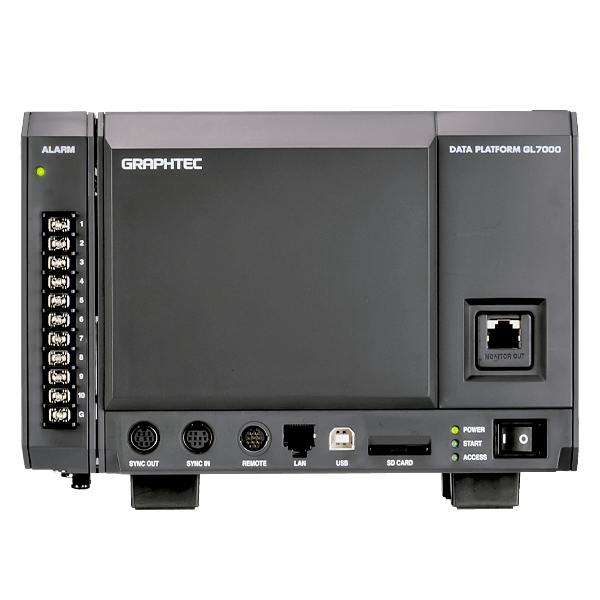
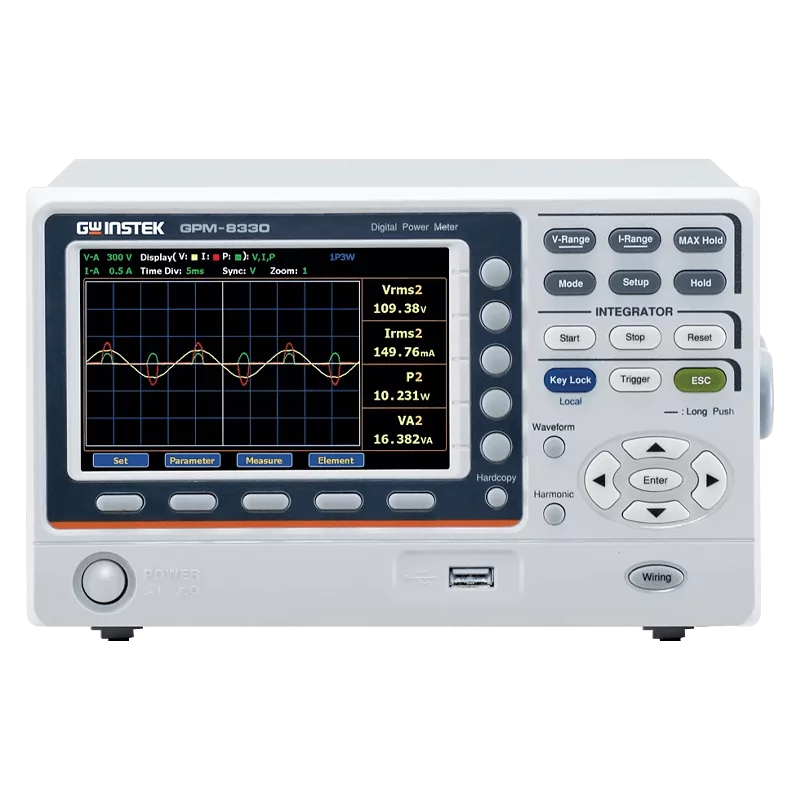
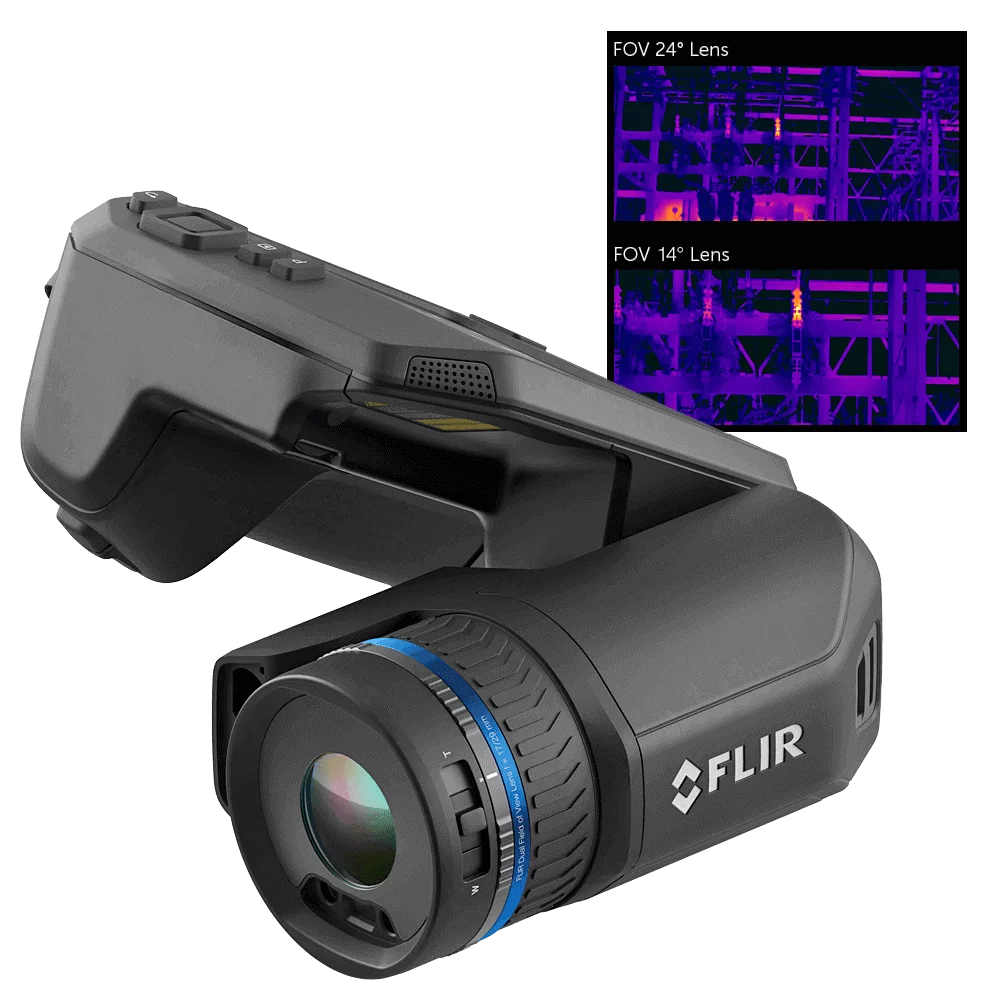
Performance and durability are among the factors that determine the quality of e-bike motors. Motor test benches and test systems for control units play a central role in quality assurance. The latter test the power electronics that control the motor in terms of efficiency and functionality. The GW Instek GPM-8330, for example, enables a detailed analysis of these parameters. Other important test criteria include efficiency, rotational speed and torque as well as the temperature behavior of the drive. The GL7000 data logger can be used together with strain-gauge transducers to evaluate torque sensors. In combination with rotational speed sensors, this allows the mechanical power and therefore the overall efficiency of the motor to be determined. The GL7000 can be configured modularly and supplemented with probes that measure temperature behavior. In combination with the LMG 671 power meter from ZES Zimmer, efficiency can also be determined. Thermal imaging cameras such as the FLIR T560 detect hotspots and help identify faults that can lead to battery overheating.
A decisive aspect that must be considered when manufacturing e-bikes is electromagnetic compatibility (EMC). EMC tests ensure compliance with directives and verify that electrical components do not generate interference fields that could affect other electronic devices such as mobile phones. Test solutions such as the GW Instek GSP-800 spectrum analyzer or the FPL1003 or FPL1007 from Rohde & Schwarz are used for measurements of immunity to external electromagnetic influences as well as radiated and conducted emissions. Quality control in production is also essential for e-bike manufacturers. Comprehensive end-of-line tests are performed to ensure that the product meets all quality and safety requirements. In addition to the overall functionality of the e-bike, the criteria for tests at the end of production include, above all, correct integration and seamless interoperability of all components, as well as the reliability of safety functions such as braking systems and lighting systems.
The rapidly increasing sales figures of recent years and the technical advances in batteries and drives, as well as in the networking of electronic components - keyword: connected biking - show that the future belongs to e-bikes. However, the more complex the technology becomes, the greater the precision required. Measurement and testing technology helps drive progress in e-mobility. For bicycles, as well as for scooters, cars and local and long-distance public transport.

.png "FPL1003")
You are not quite sure yet or have further questions about the products? Do not hesitate to contact us. Whether directly on the phone or via online demo conveniently in front of your screen - our experts are there for you.